Opens
Lifts upward, stacking into folds at the head
Light
Depends on fabric and lining
Suits
Bedrooms, living rooms, kitchens and recessed windows
How it works
How Roman blinds work
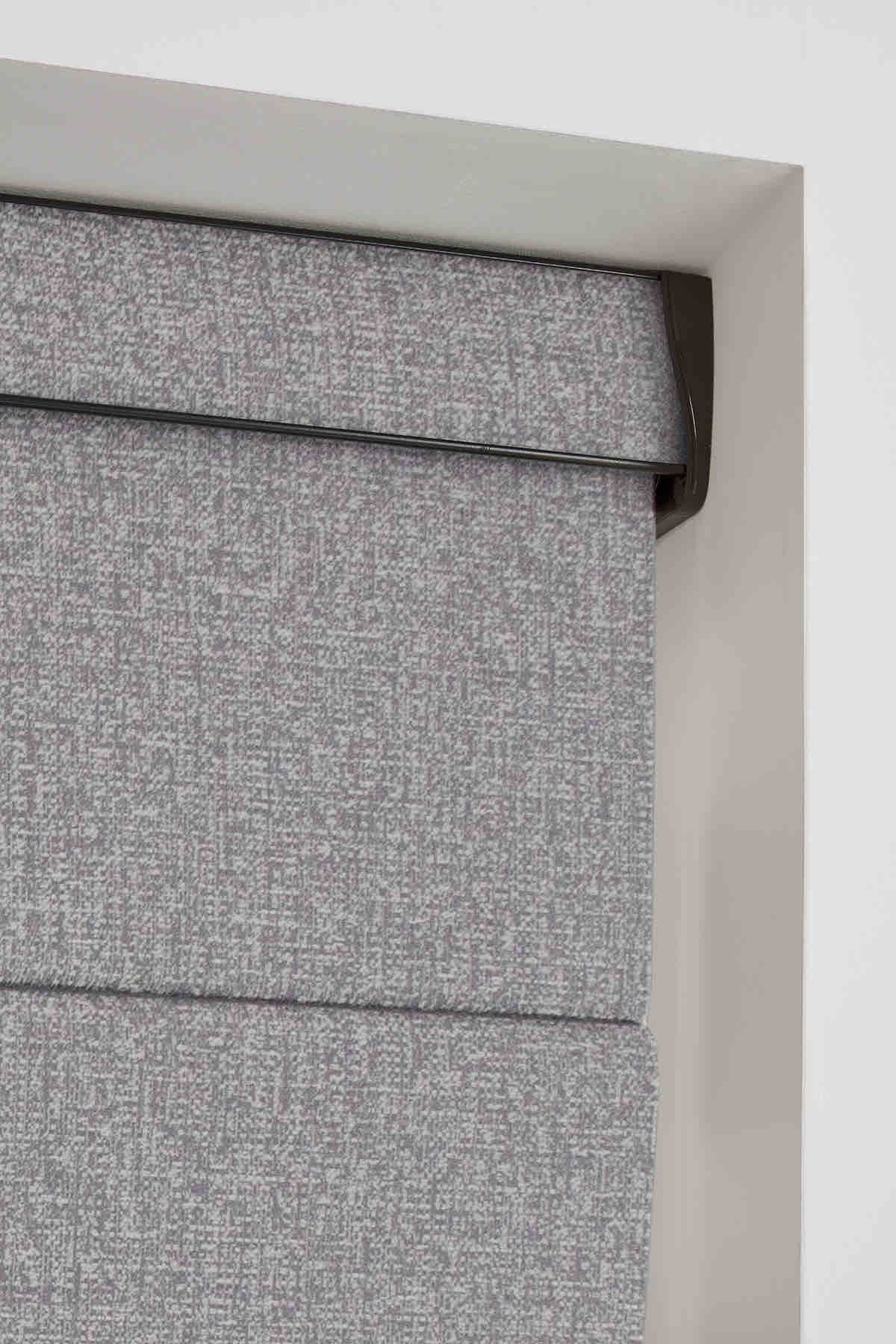
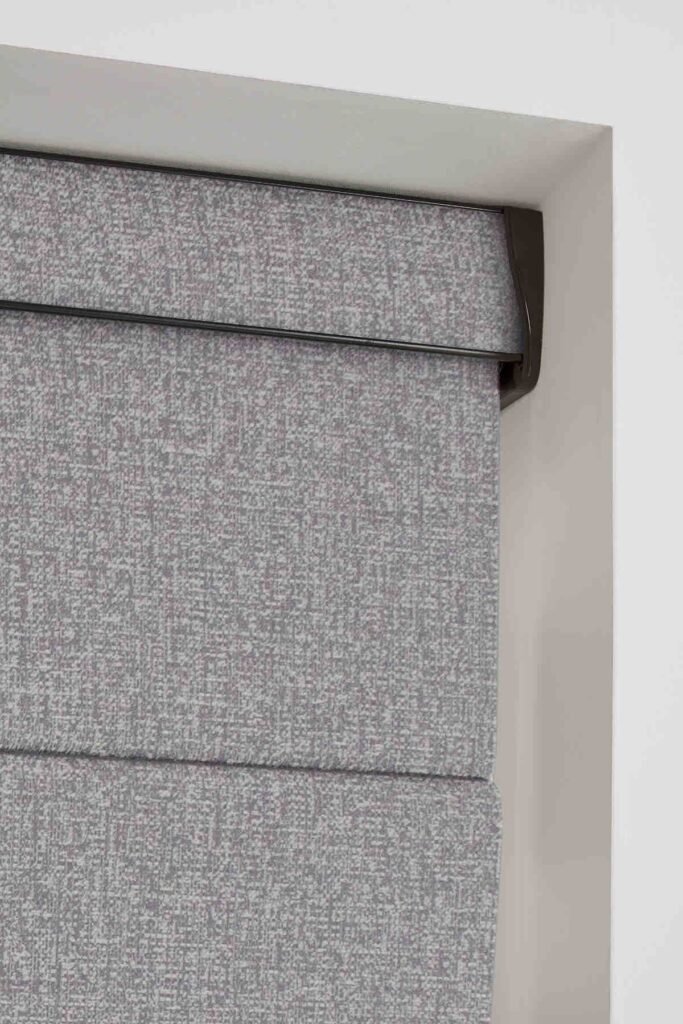
Rods are stitched into the back of the fabric at regular intervals. As the blind is raised, cords lift it from the bottom and the fabric gathers into layered folds beneath the headrail.
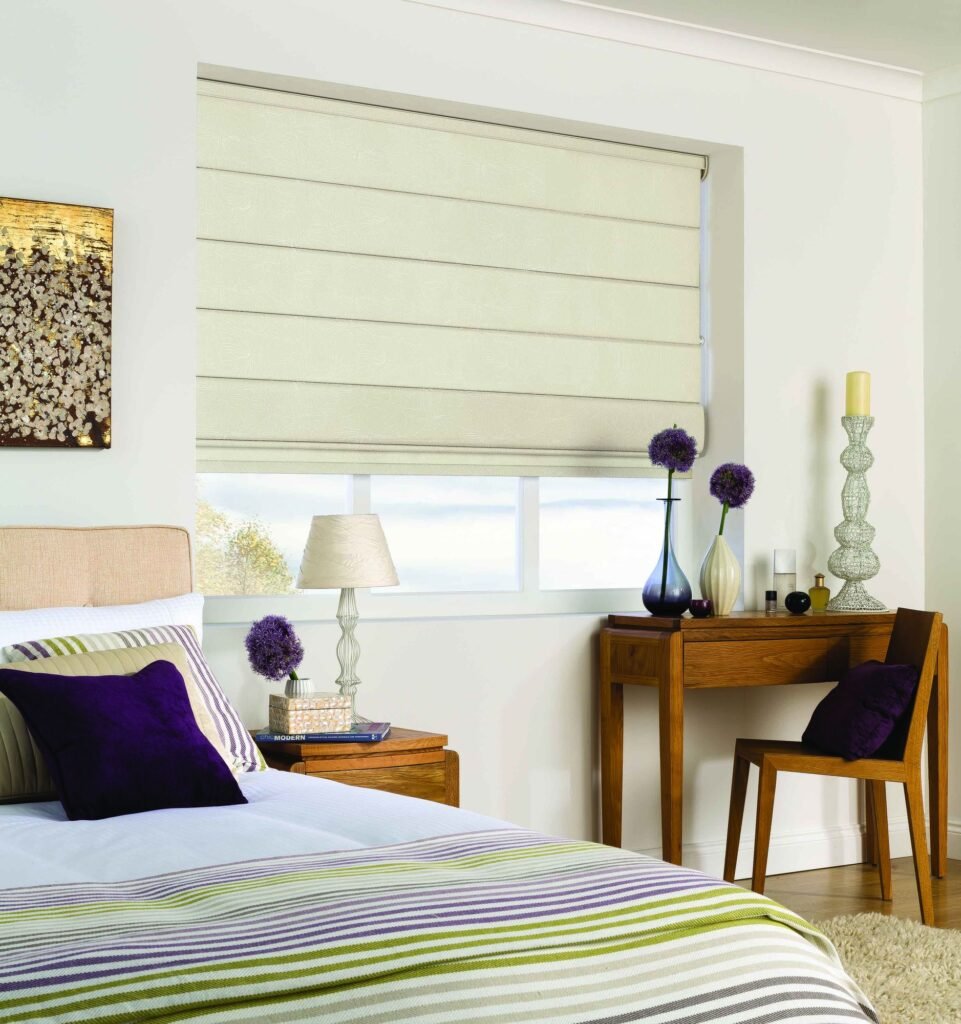
Lowered, the blind lies flat across the window, showing the full colour, pattern or weave of the fabric. Raised, the folds sit as a neat stack at the top of the window.
Why choose Roman blinds
- A soft, tailored finish that feels at home in living spaces
- Shows off a pattern or weave when lowered
- Takes up far less space than full curtains
- Pairs well with a sheer curtain for layered light
Where they work well
- Bedrooms
- Living and dining rooms
- Kitchens and studies
- Recessed and smaller windows
Gallery
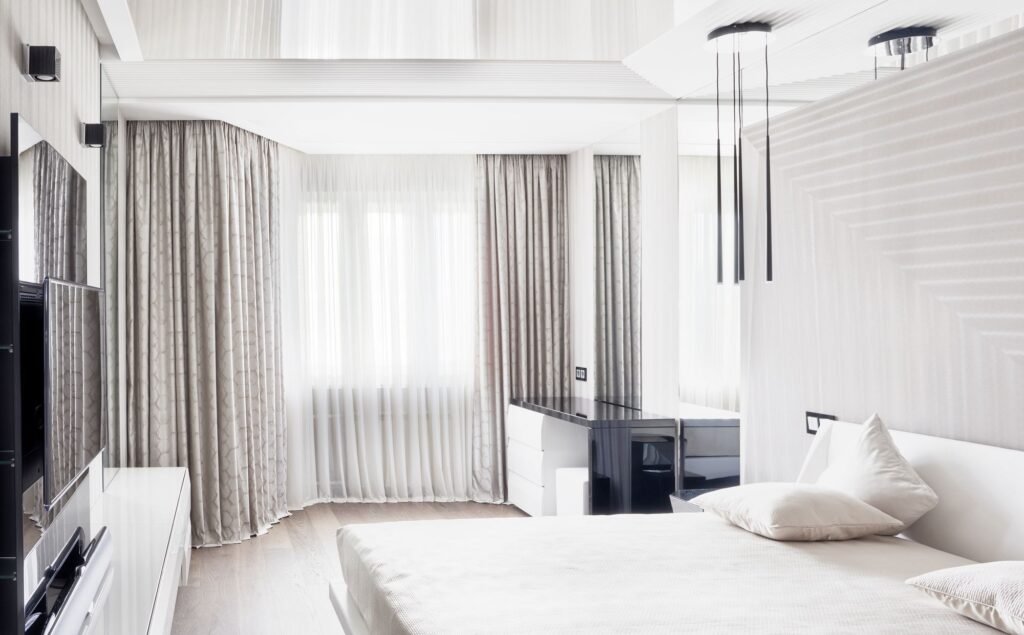
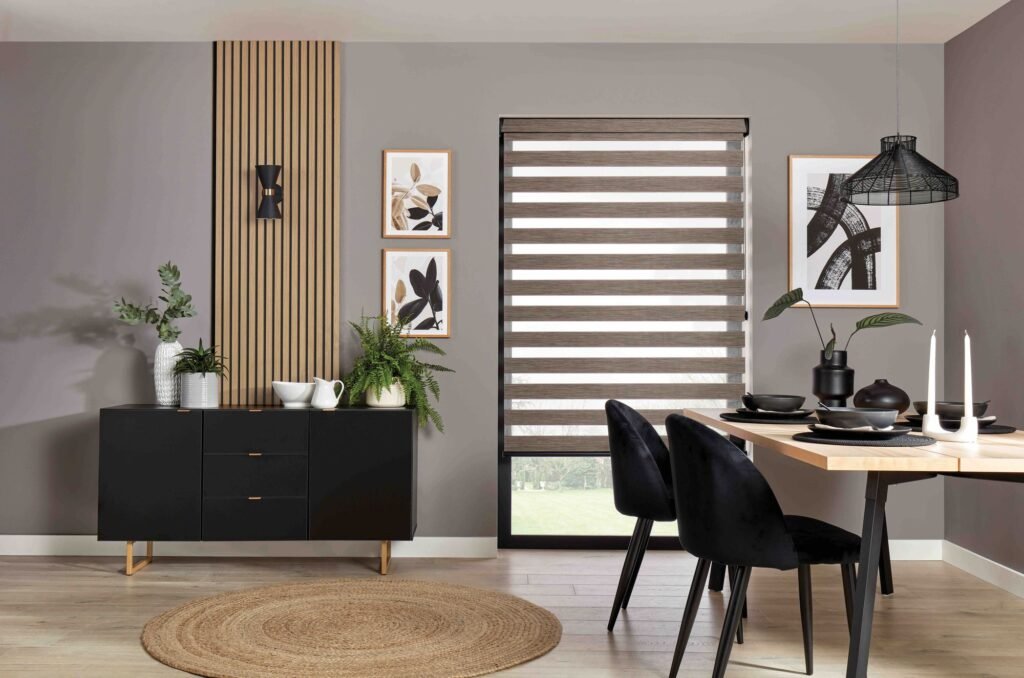
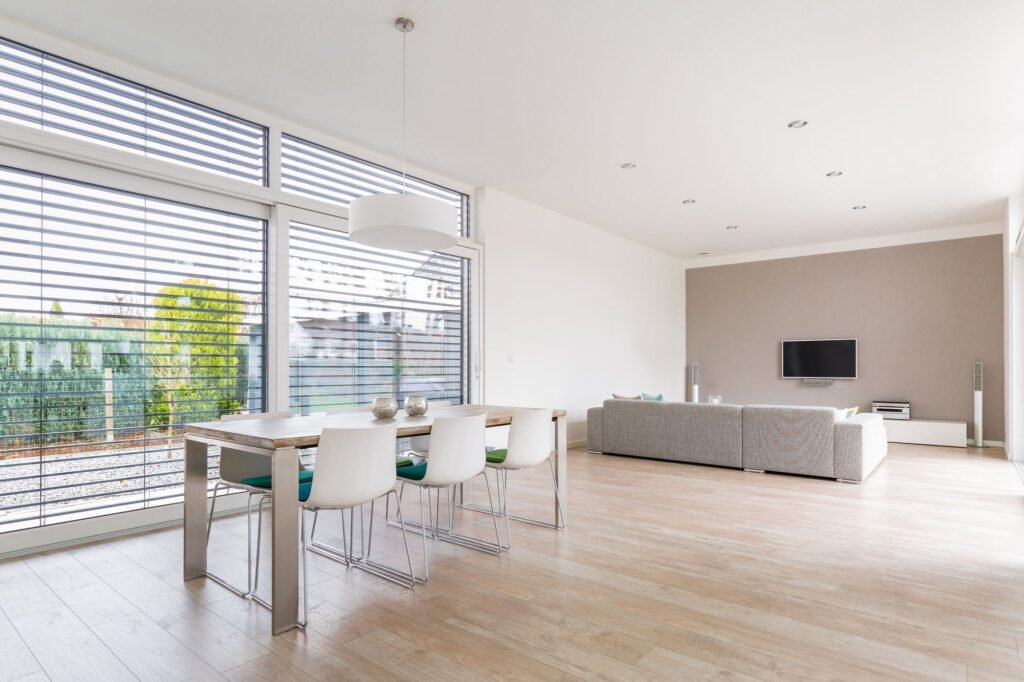
Product imagery to help you picture Roman blinds in different rooms. Select an image to enlarge it.


Roman or roller — which should I choose?
Both are fabric blinds that raise vertically. A roller blind is flatter and more minimal, and rolls into a slim tube. A Roman blind folds into a soft stack and feels more like a curtain. Choose roller for a pared-back look and Roman for warmth and texture.
Does a Roman blind block part of the window when raised?
The folds stack at the top of the window, so some of the glass is covered when the blind is fully raised. Fixing the blind above the frame keeps more of the glass clear.
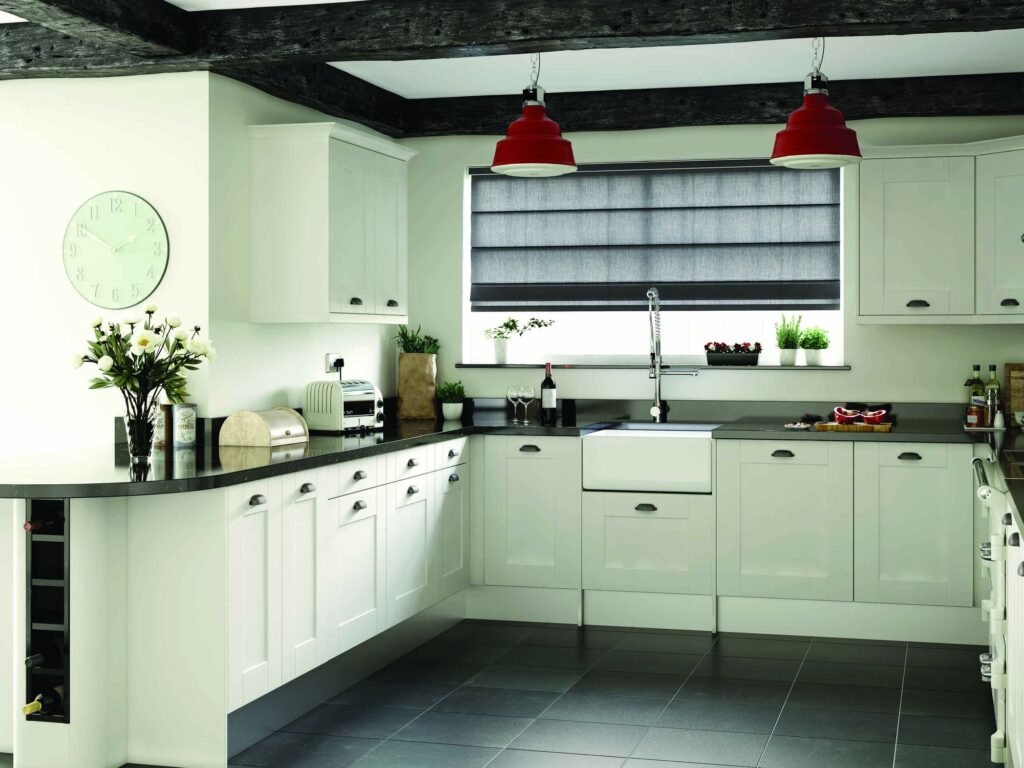
Are Roman blinds suitable for kitchens?
They can be, with an easy-care fabric and placement away from direct heat and steam. We’ll suggest fabrics that suit the room.