Opens
Slats tilt, and the blind lifts to the head
Light
Adjustable by slat angle
Suits
Kitchens, bathrooms, offices and recessed windows
How it works
How Venetian blinds work
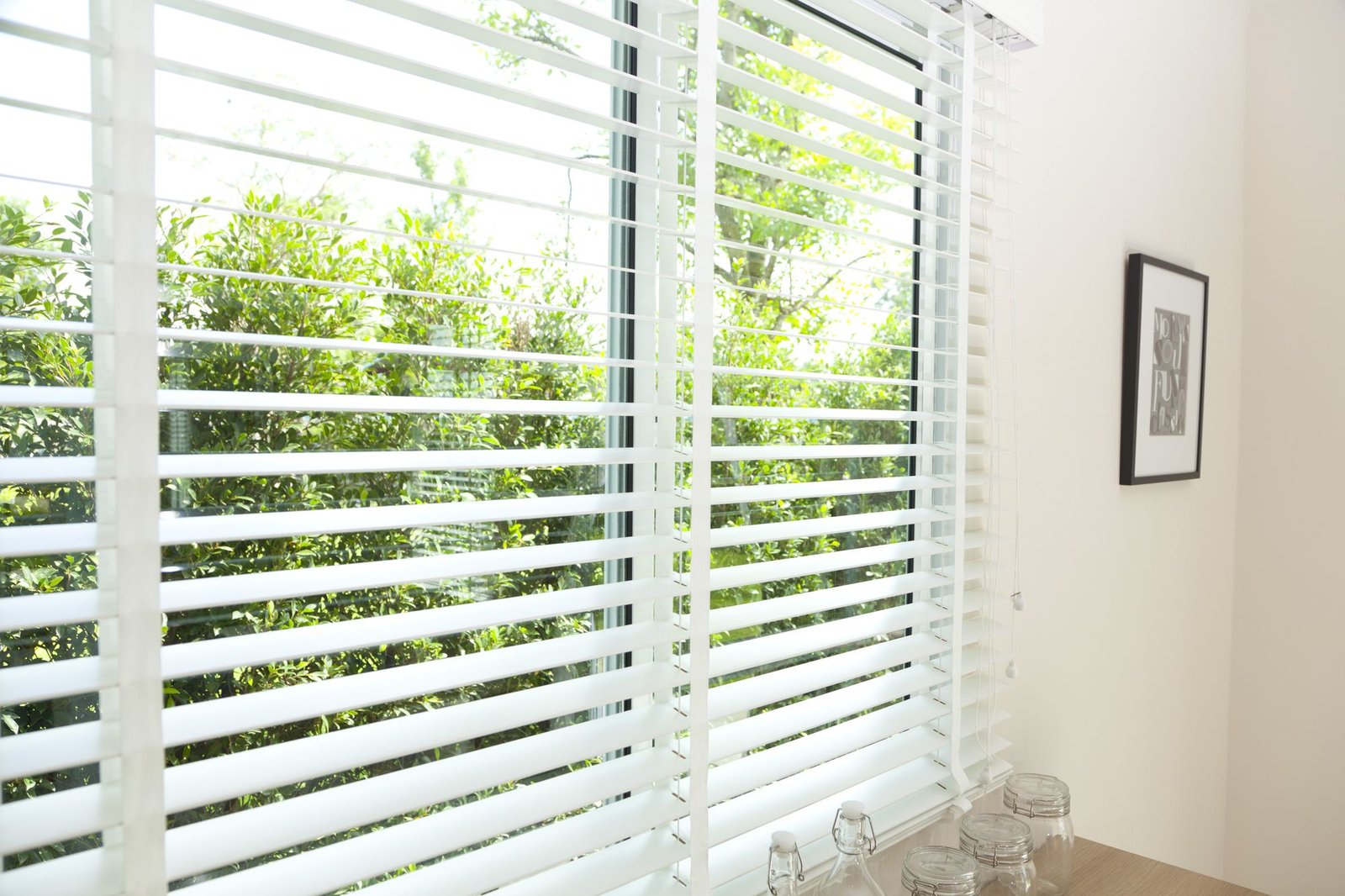
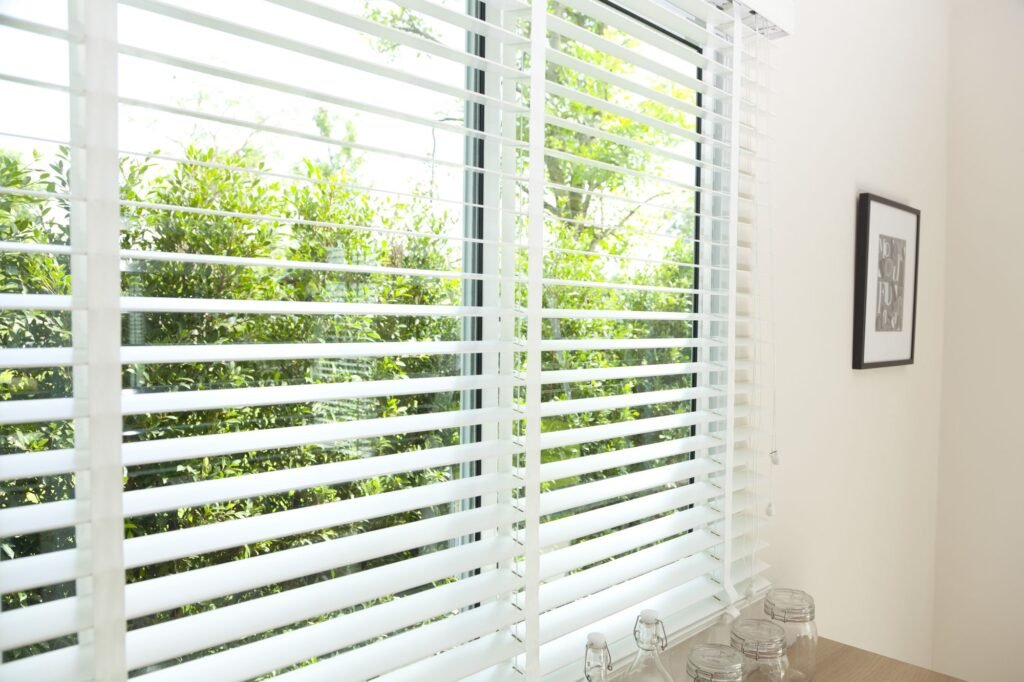
Thin slats are strung on ladder cords. Tilt them and every slat turns together, bouncing daylight up towards the ceiling, angling it down, or closing for privacy.
Raise the blind and the slim slats compress into a compact stack at the head of the window, so very little of the glass is covered.
Why choose Venetian blinds
- Precise control of light and view by slat angle
- A compact stack when raised
- A light, minimal profile that sits well inside a recess
- Smooth slats that are easy to wipe clean
Where they work well
- Kitchens and bathrooms
- Home offices and studies
- Offices and meeting rooms
- Recessed windows
Gallery
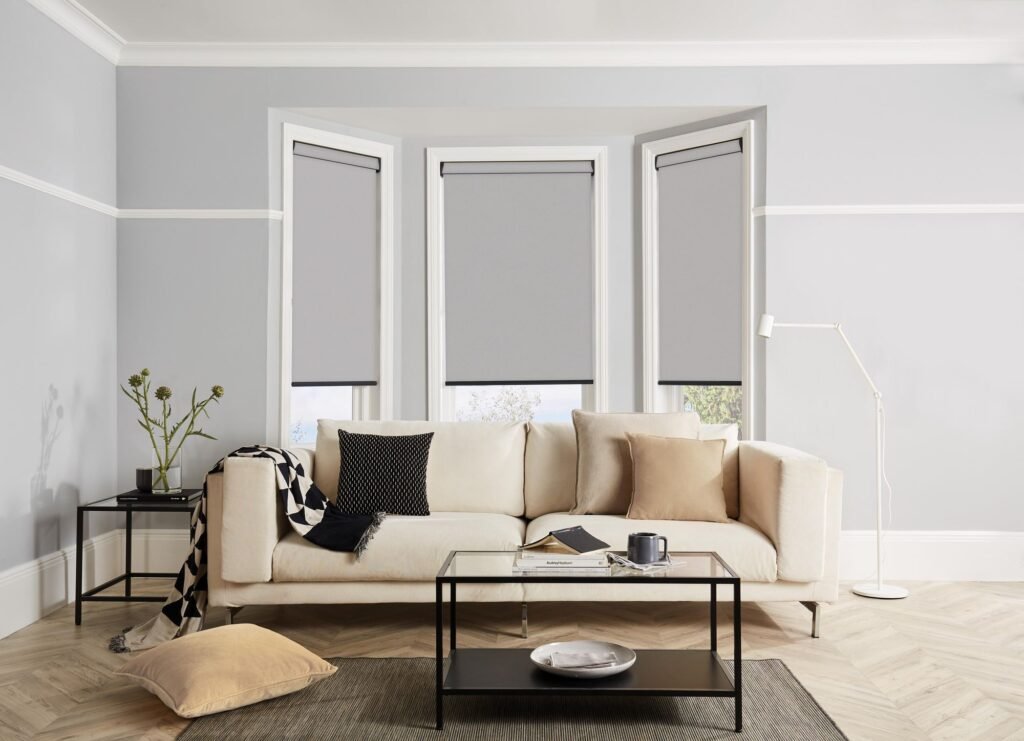
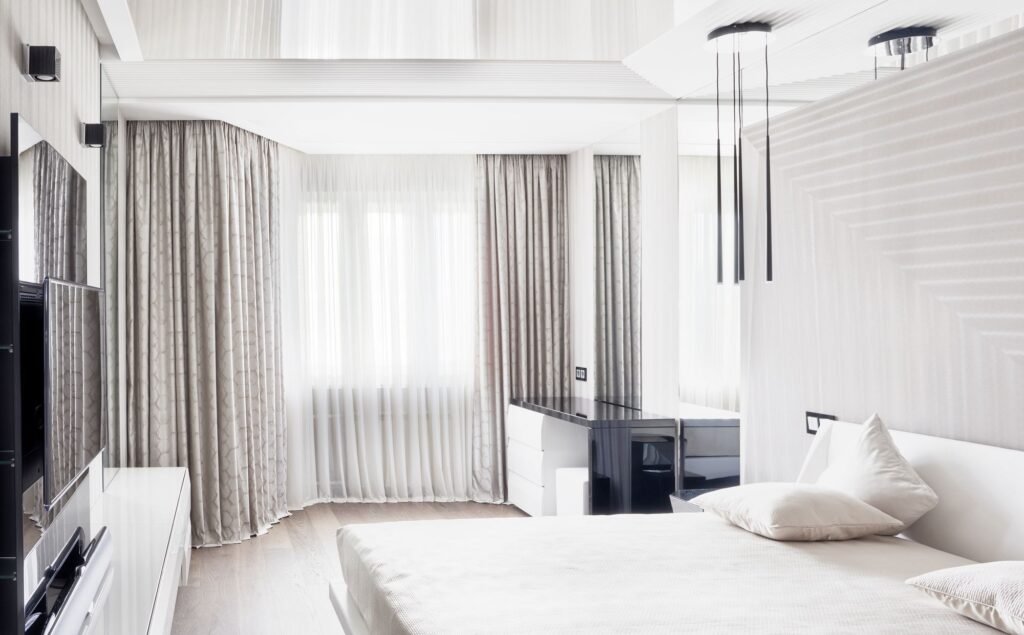
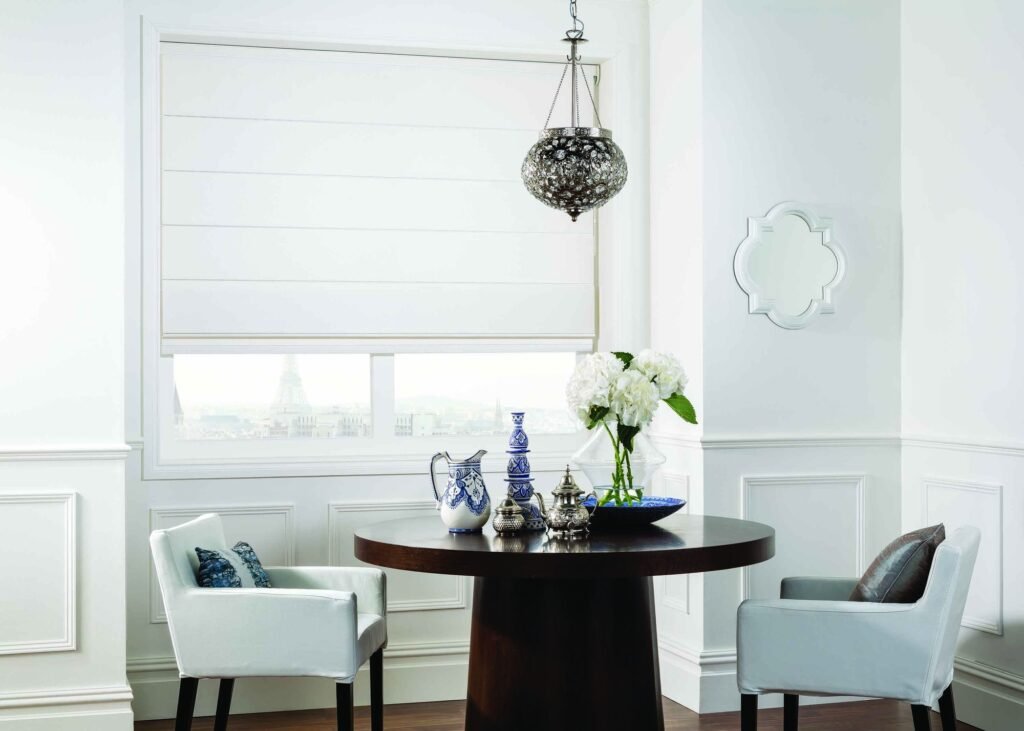
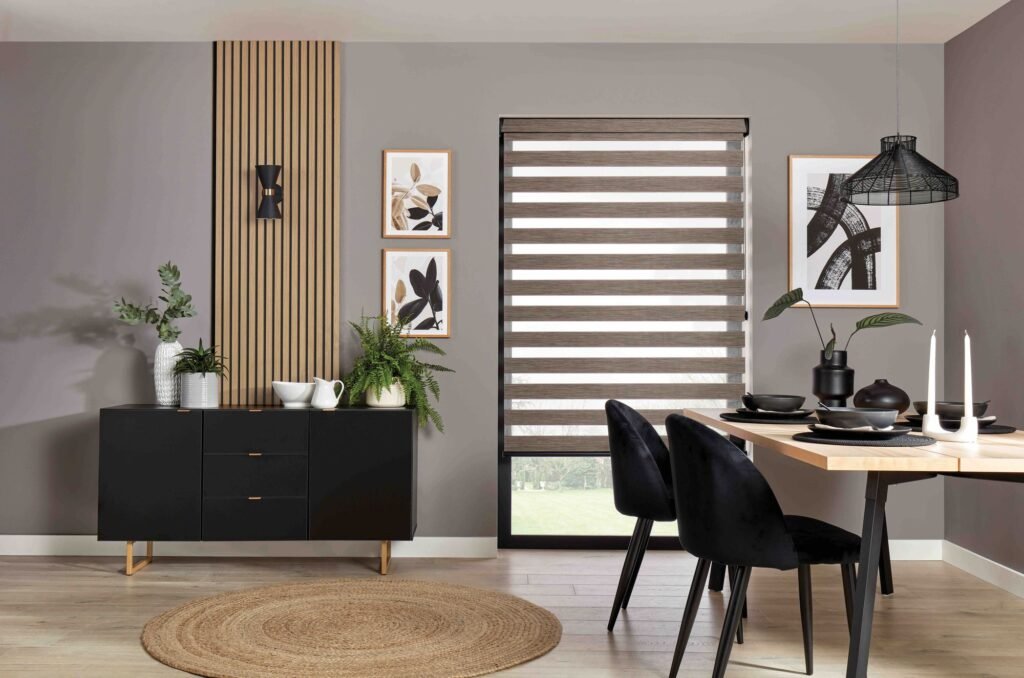
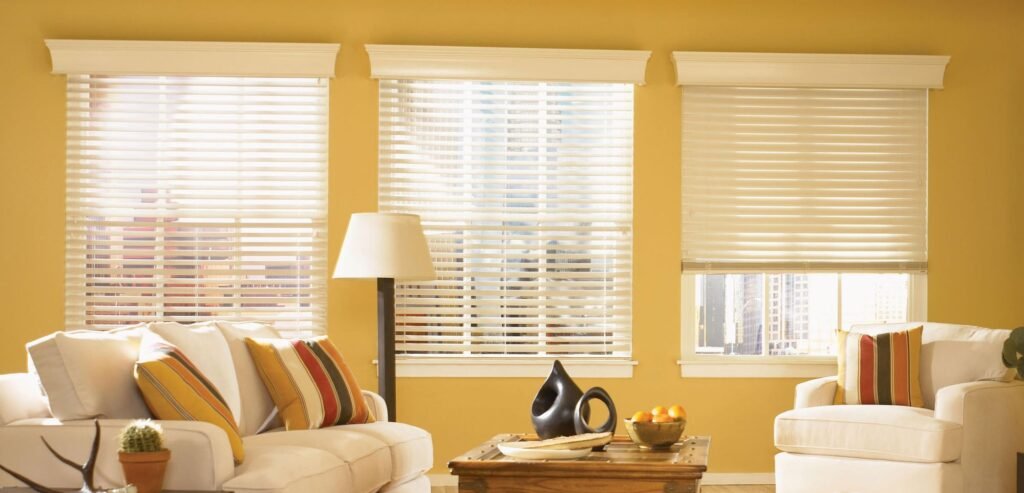
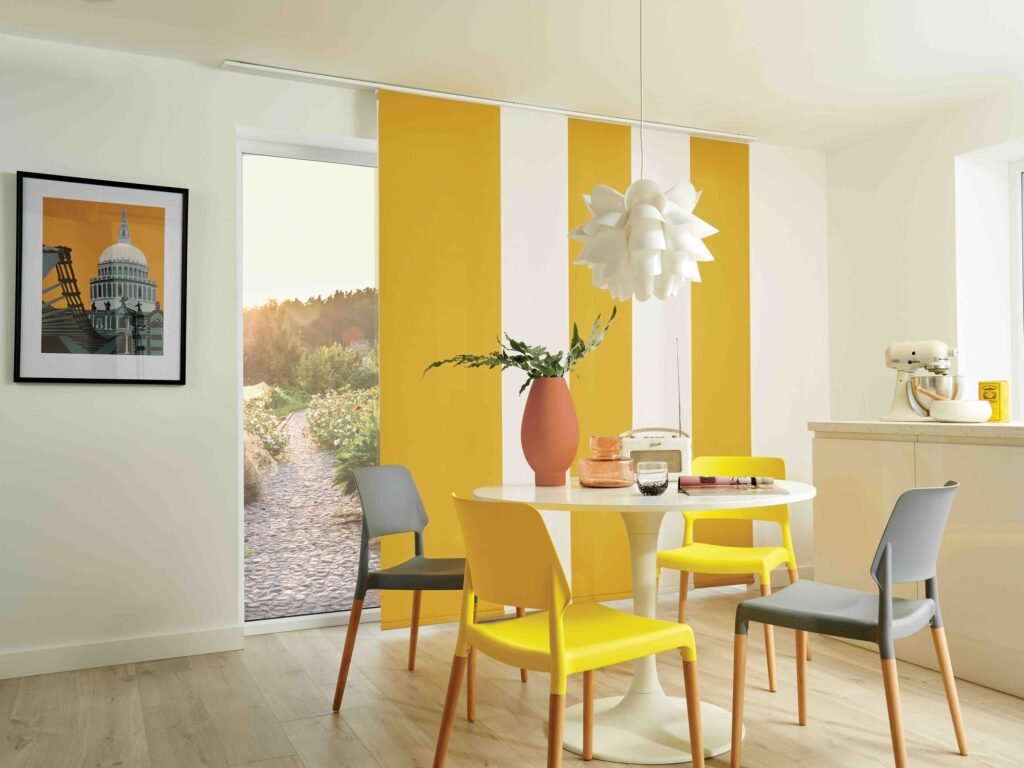
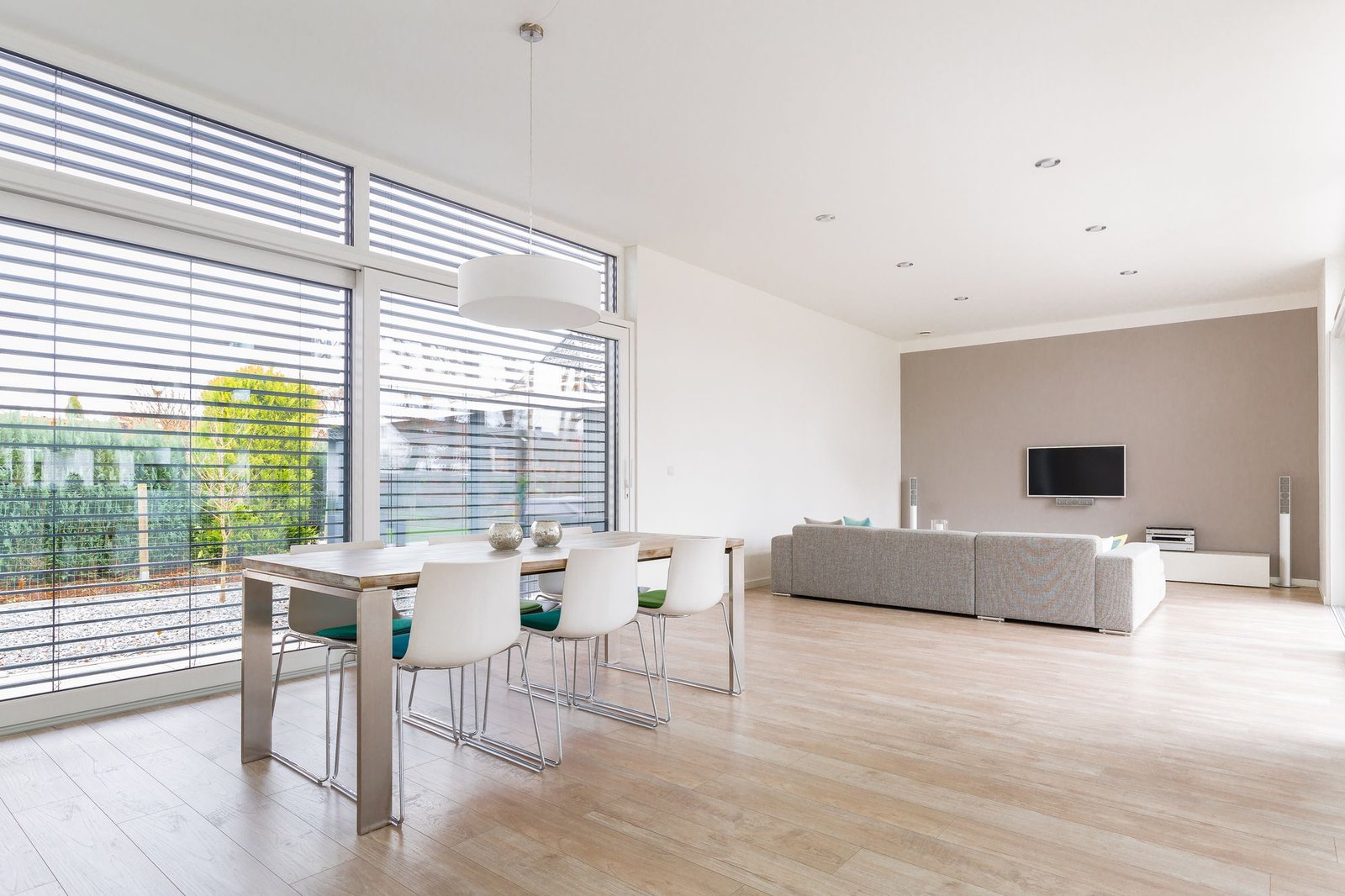
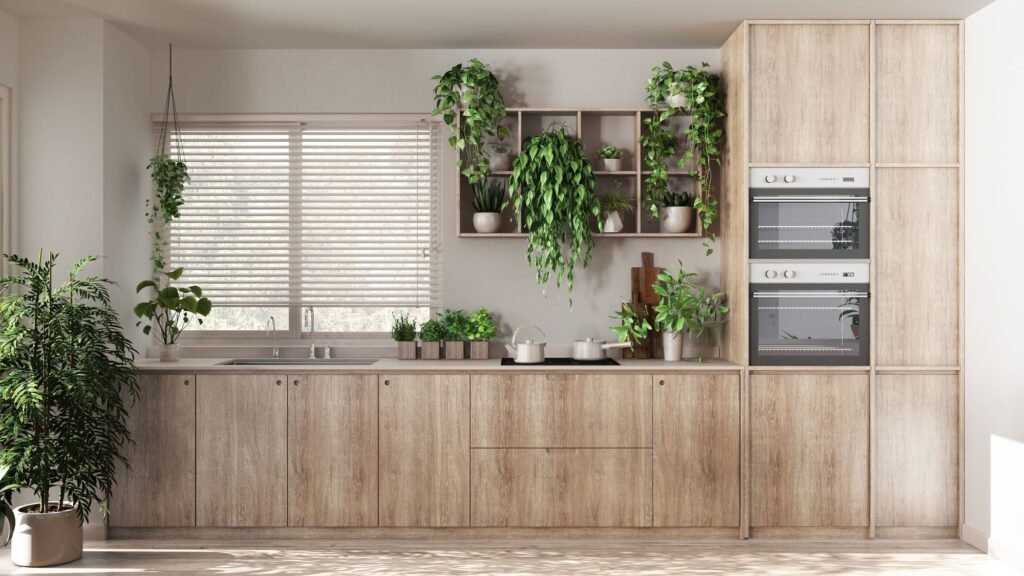
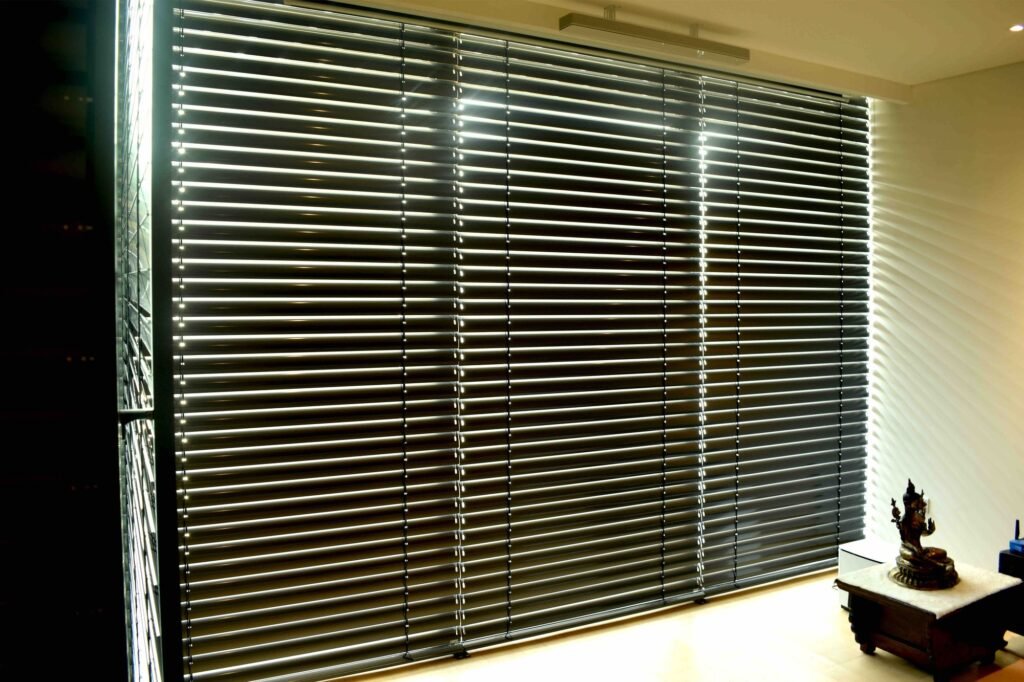
Product imagery to help you picture Venetian blinds in different rooms. Select an image to enlarge it.

Are Venetian blinds good for kitchens and bathrooms?
They are a popular choice for both, because smooth slats are easy to wipe clean. We’ll suggest options that suit the room.
Venetian or vertical?
Venetians have horizontal slats and lift upward, which suits standard windows. Verticals have hanging louvres that draw sideways, which suits wide windows and sliding doors.
Can I see out when the slats are tilted?
Partly. With the slats half-open you can see out at an angle while limiting views in. Fully closed, the slats give privacy.