Opens
Louvres turn, then draw to one or both sides
Light
Adjustable by angle, from open to almost closed
Suits
Wide windows, sliding doors, offices
How it works
How vertical blinds work
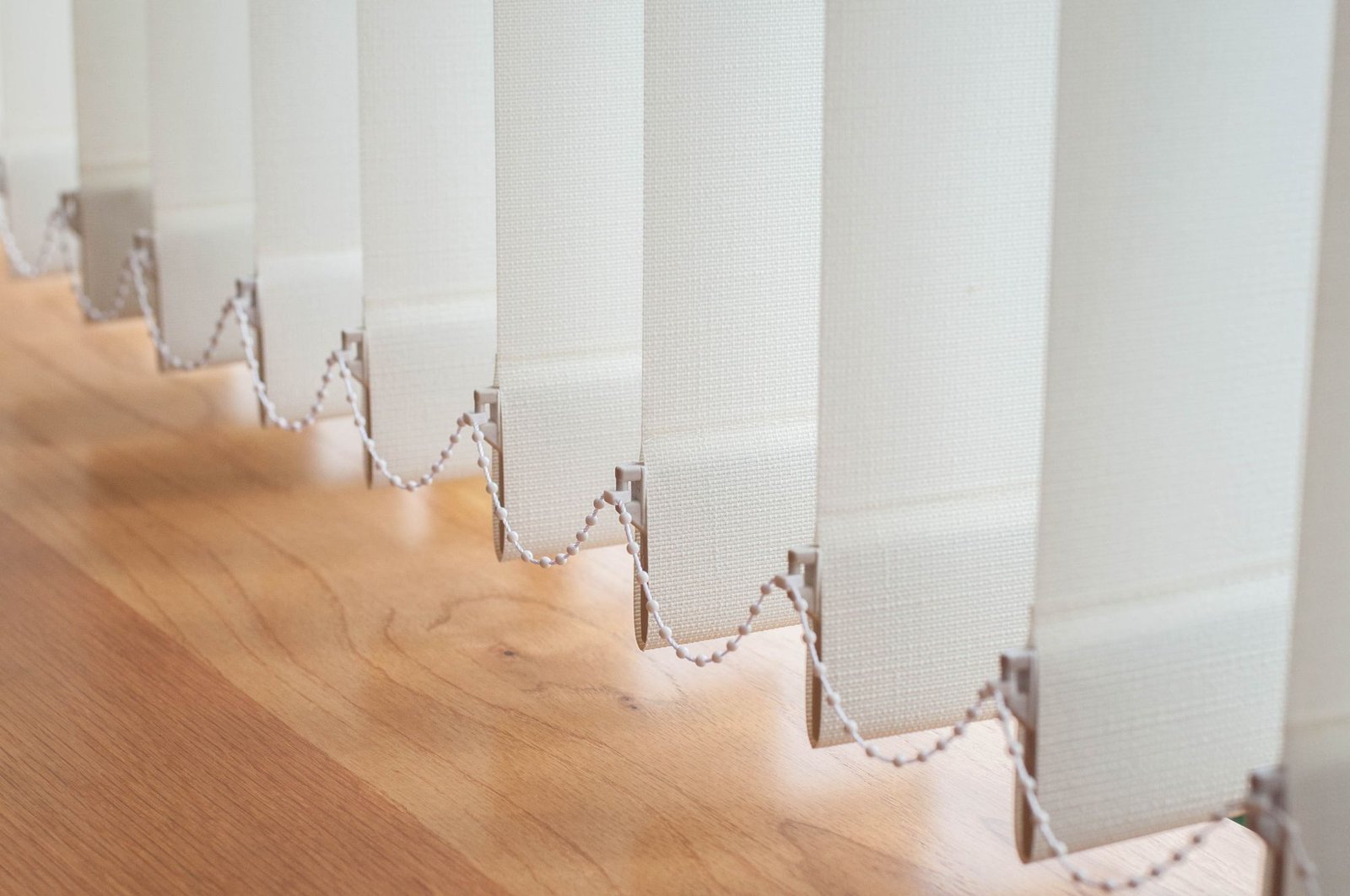
Each louvre hangs from a carrier in the headrail. One control turns all of them together, so you can angle the louvres to direct light away from a screen or close them for privacy.
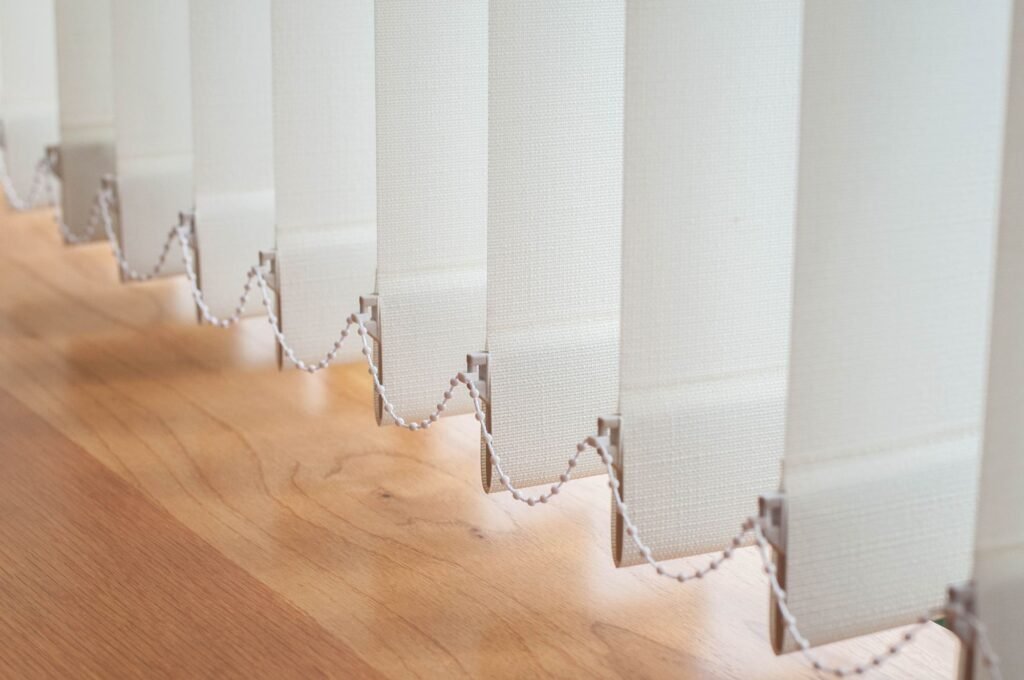
A second action draws the louvres along the track to stack neatly at the side, clearing a doorway. Weights at the bottom keep each louvre hanging straight, and they are often linked with a fine chain.
Why choose vertical blinds
- Angle daylight precisely without losing it altogether
- Stacks to the side, ideal for sliding doors and walkways
- Covers tall and wide glazing with ease
- A practical, orderly look for workplaces
Where they work well
- Offices and meeting rooms
- Sliding patio and balcony doors
- Large living-room windows
- Commercial and public spaces
Gallery
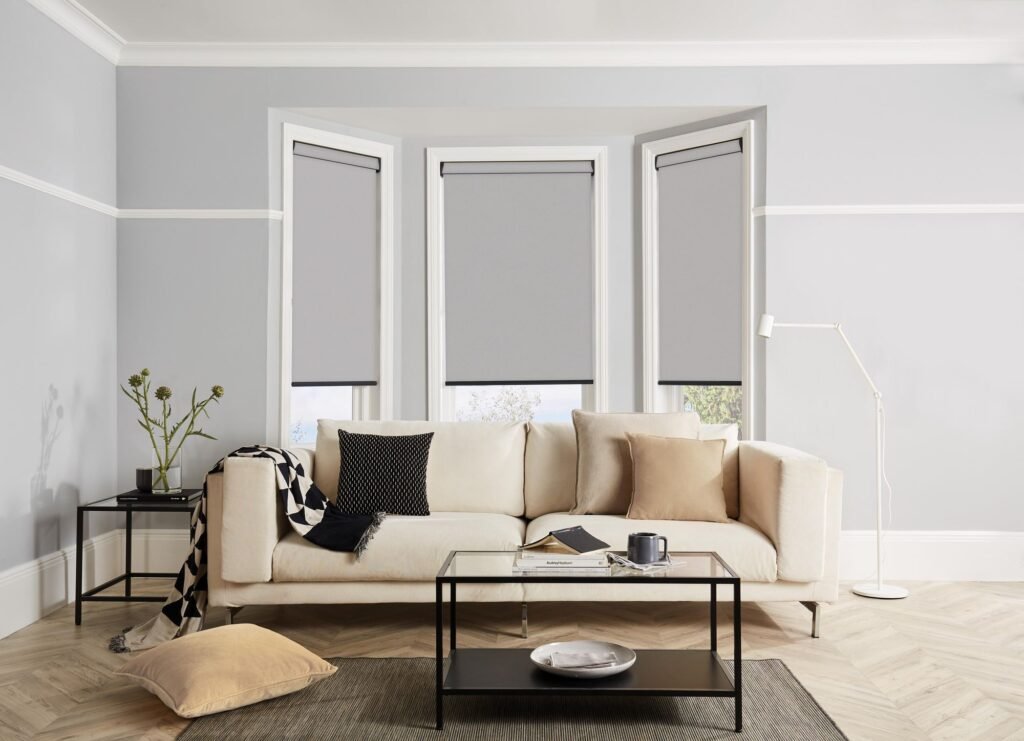
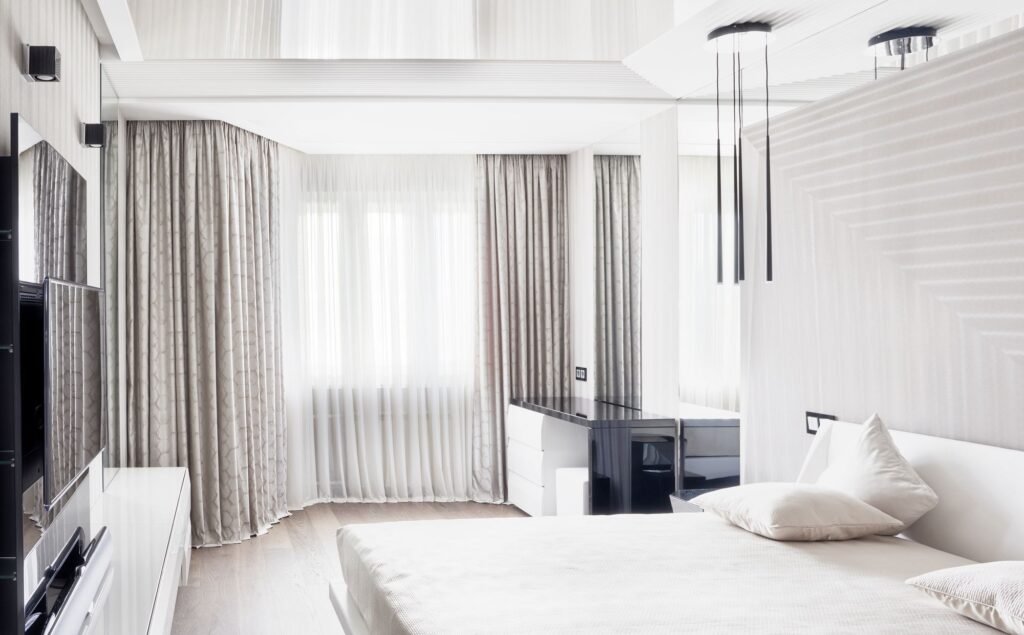
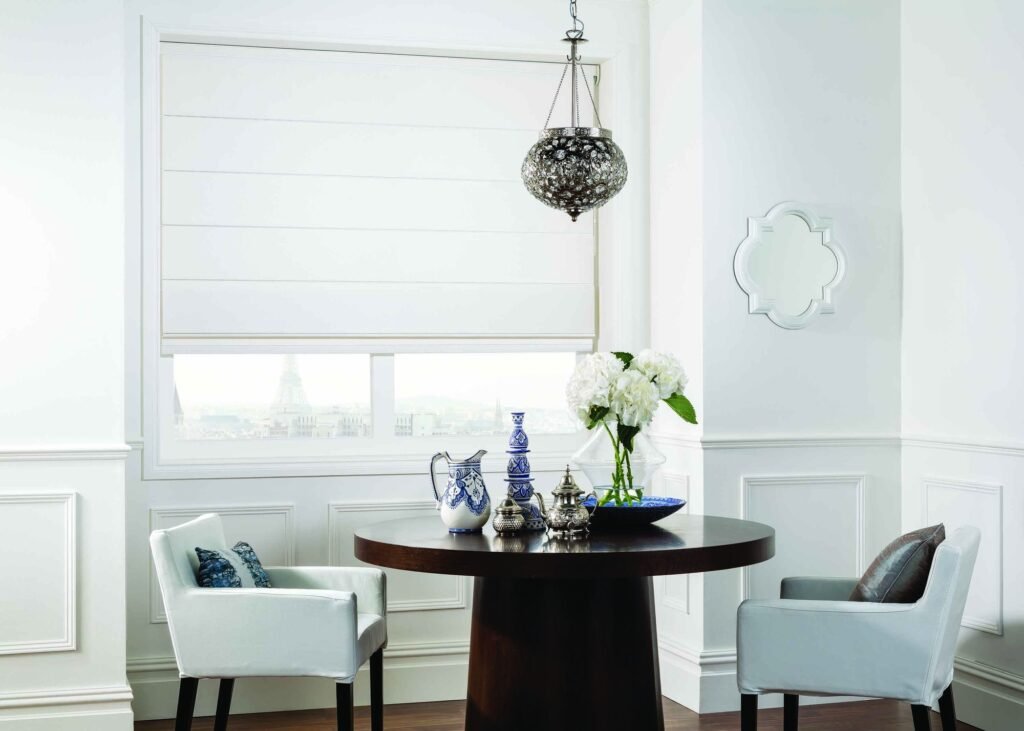
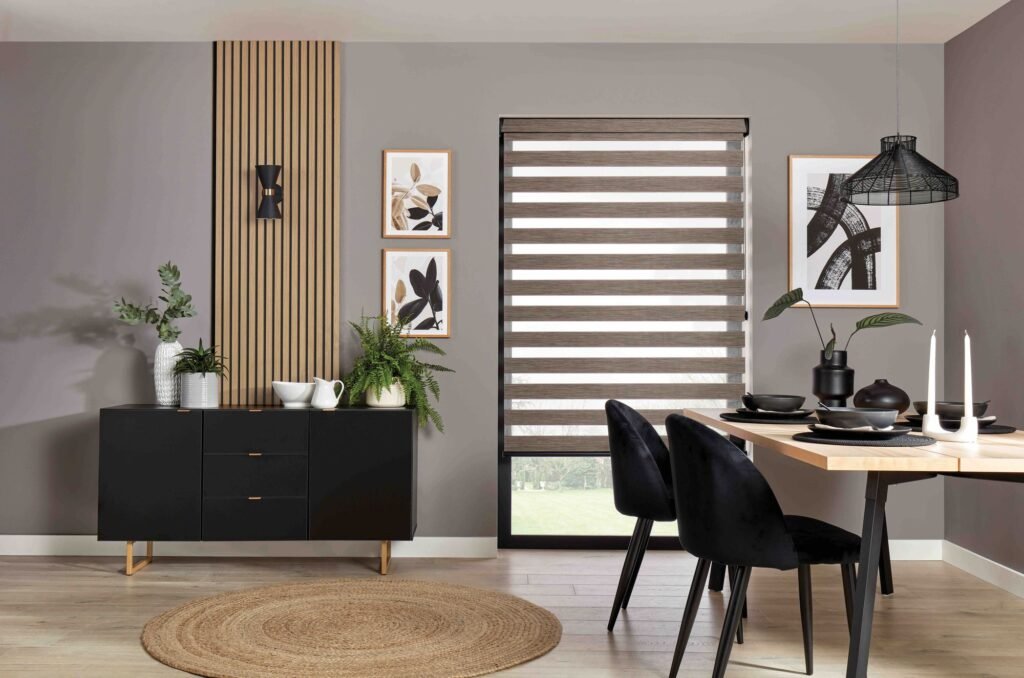
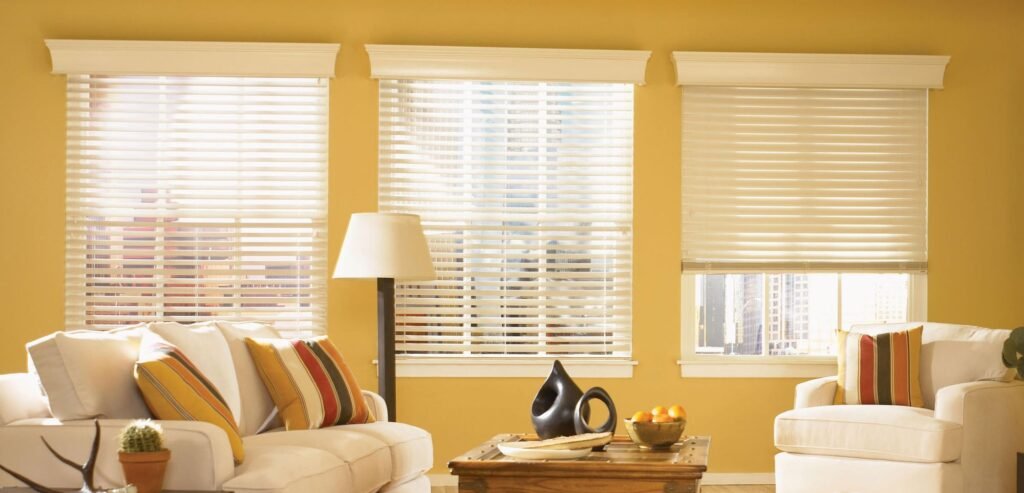
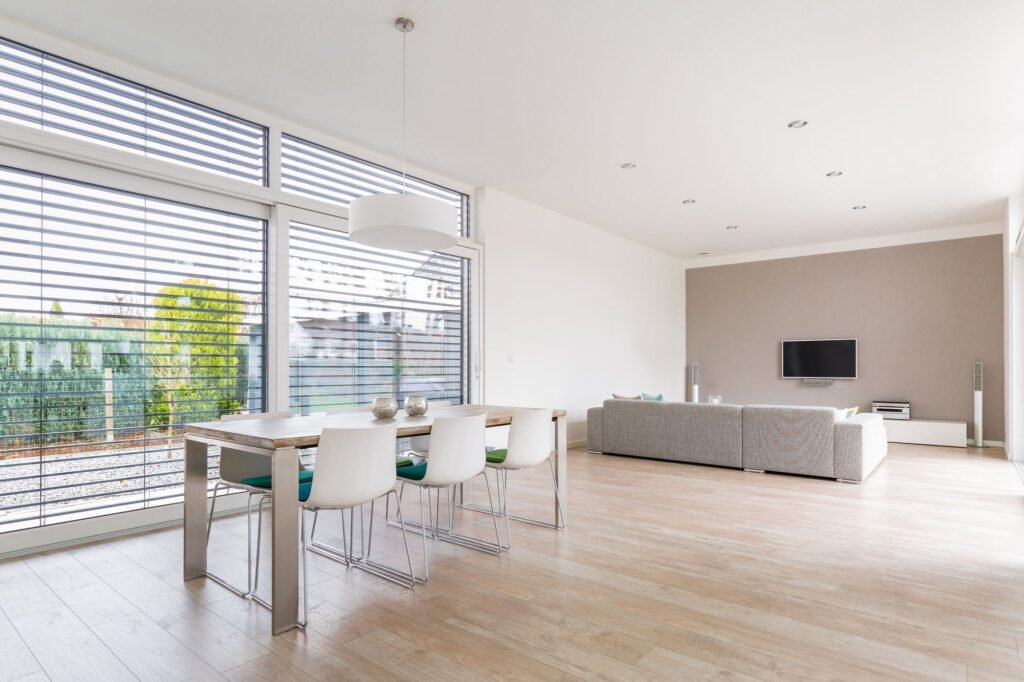
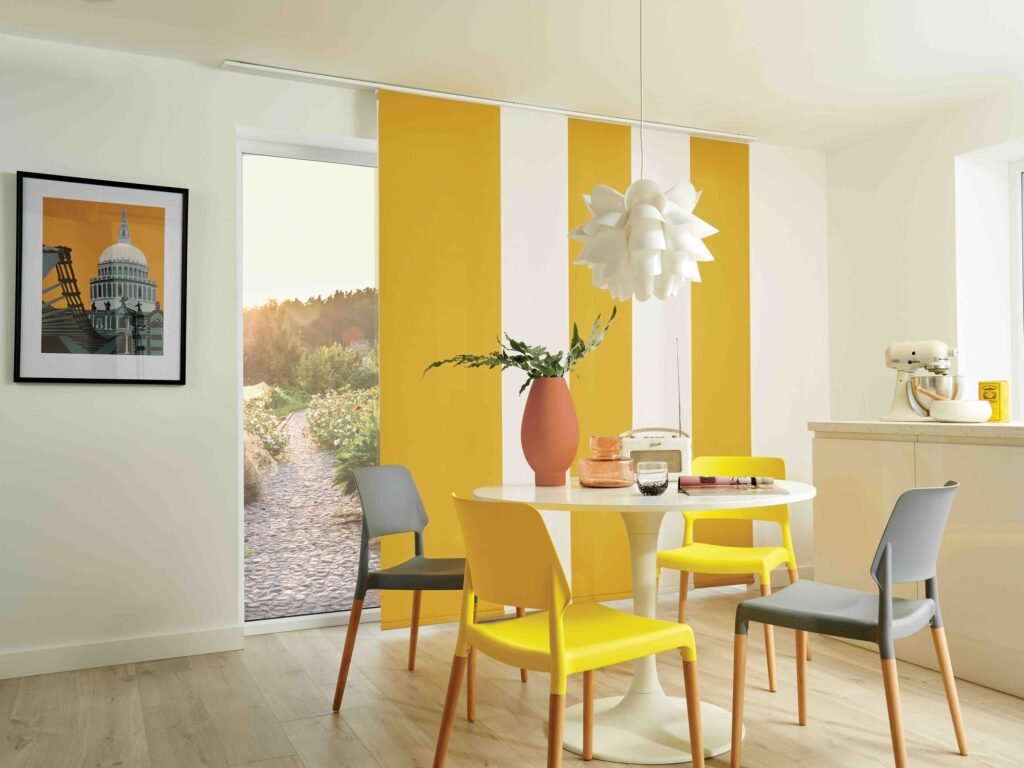
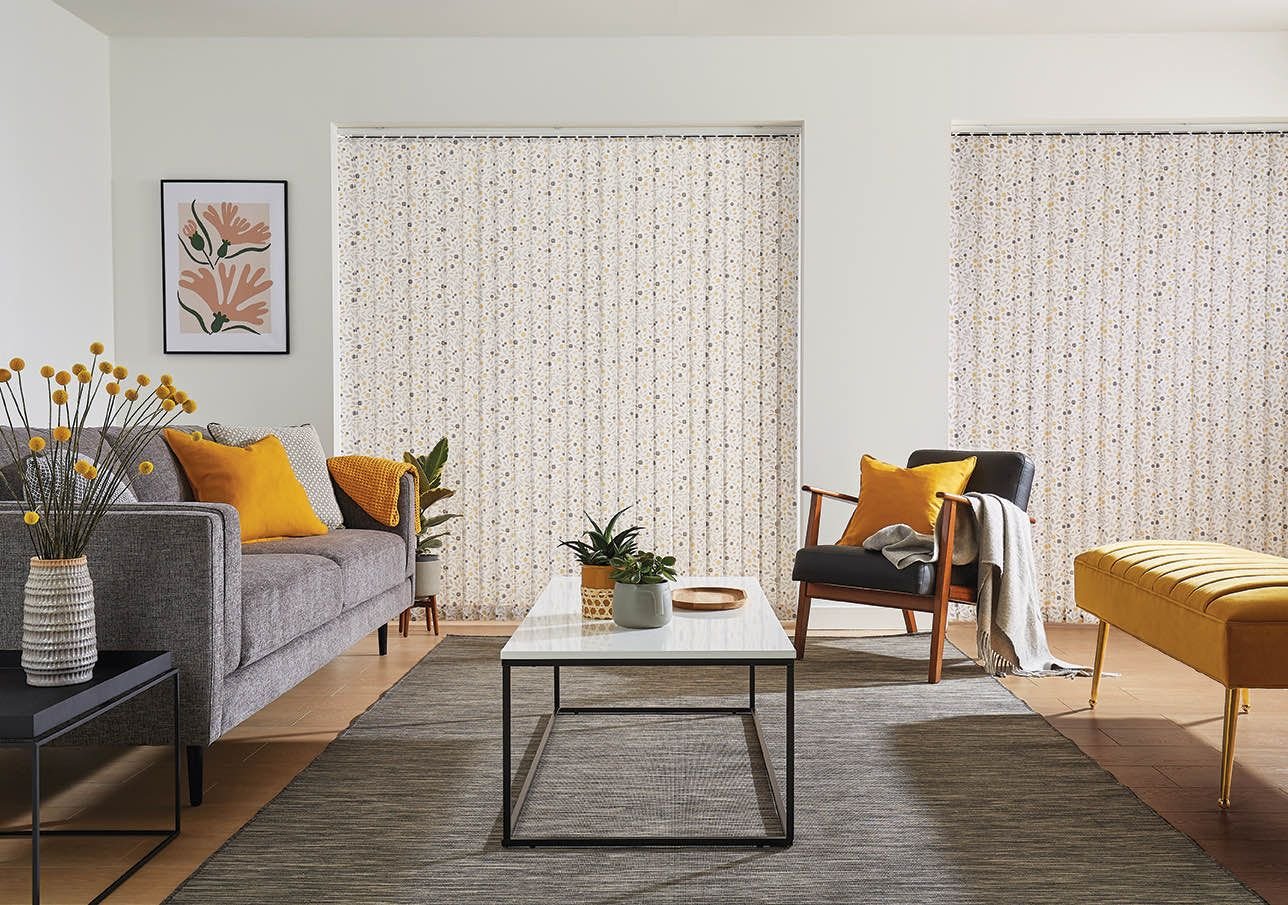
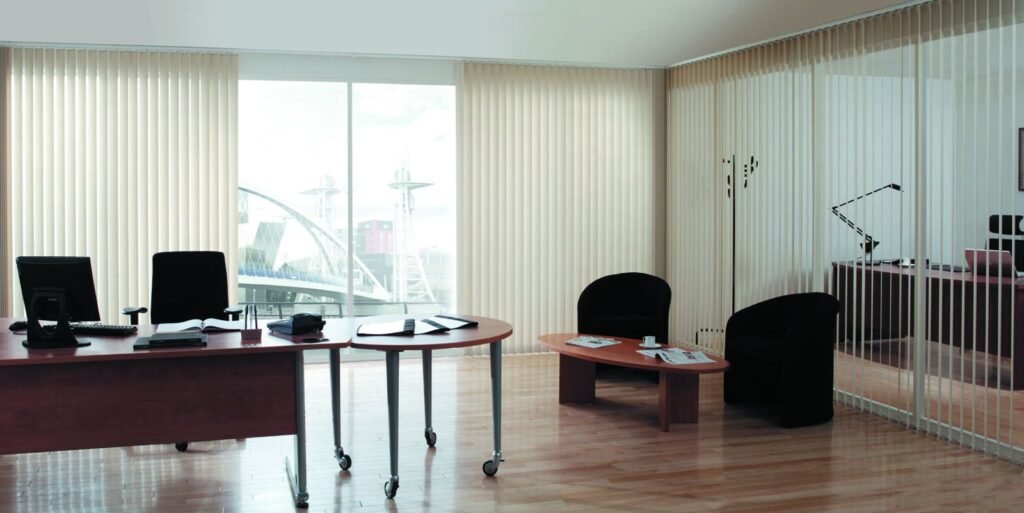
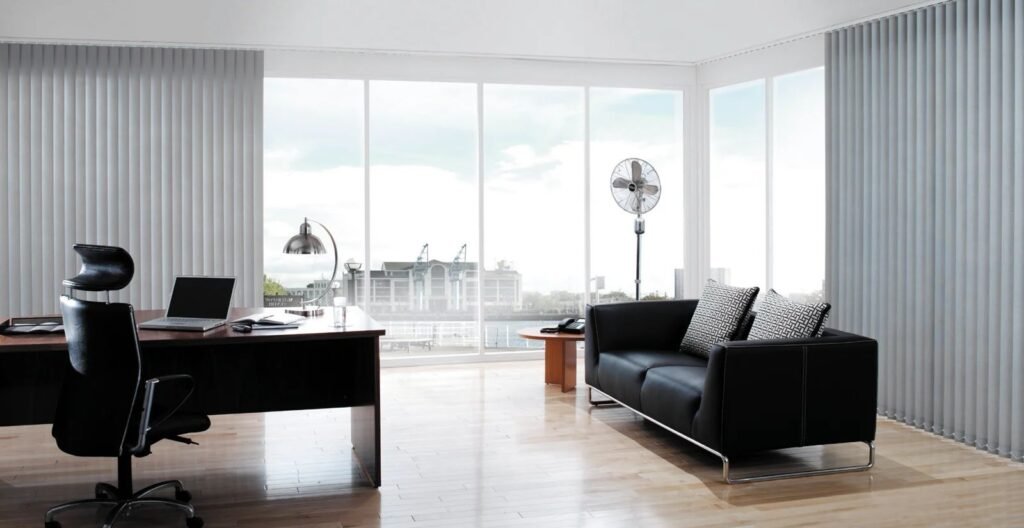
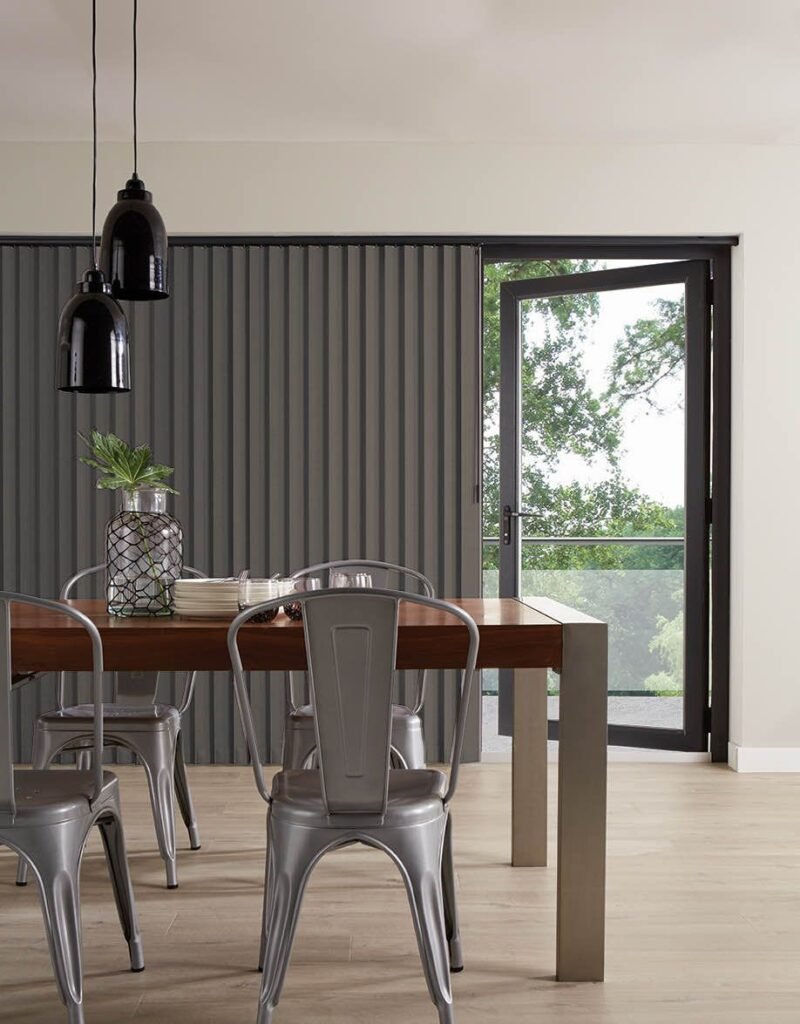
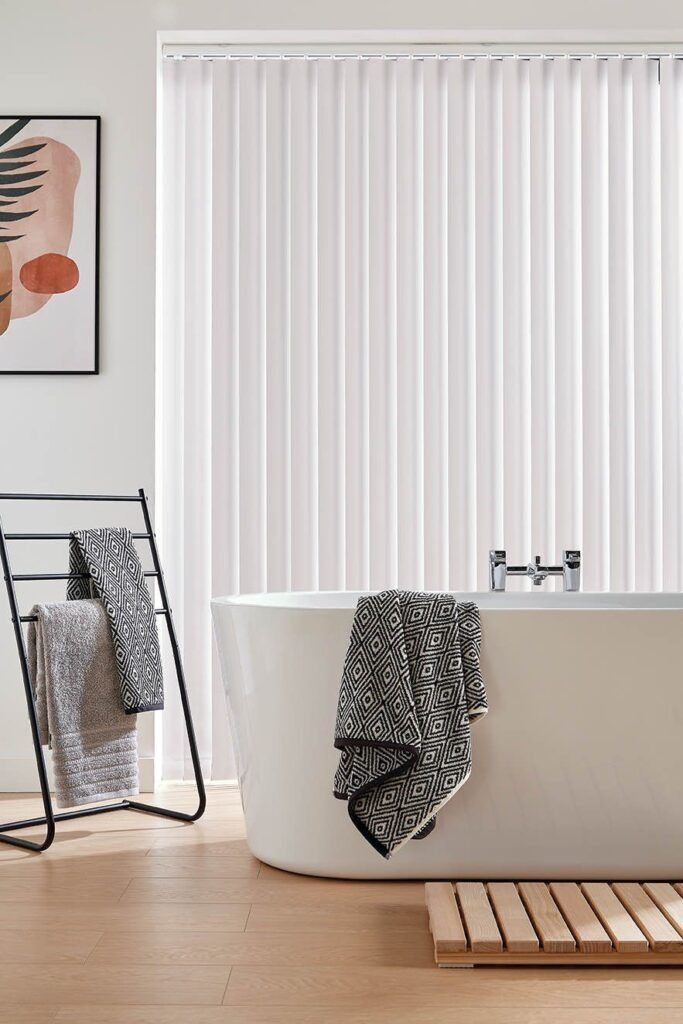
Product imagery to help you picture vertical blinds in different rooms. Select an image to enlarge it.
Are vertical blinds good for sliding doors?
Yes — it is one of their best uses. The louvres draw aside to clear the doorway, and when closed they can be angled to let in light while keeping privacy.
Which way should the louvres stack?
It depends on how the window or door opens and where the furniture sits. For a sliding door, stacking on the side of the fixed pane keeps the opening clear. We can advise when we discuss your space.
Can a damaged louvre be replaced?
In most vertical blind systems individual louvres can be replaced without changing the whole blind. Ask us about this for your chosen system.