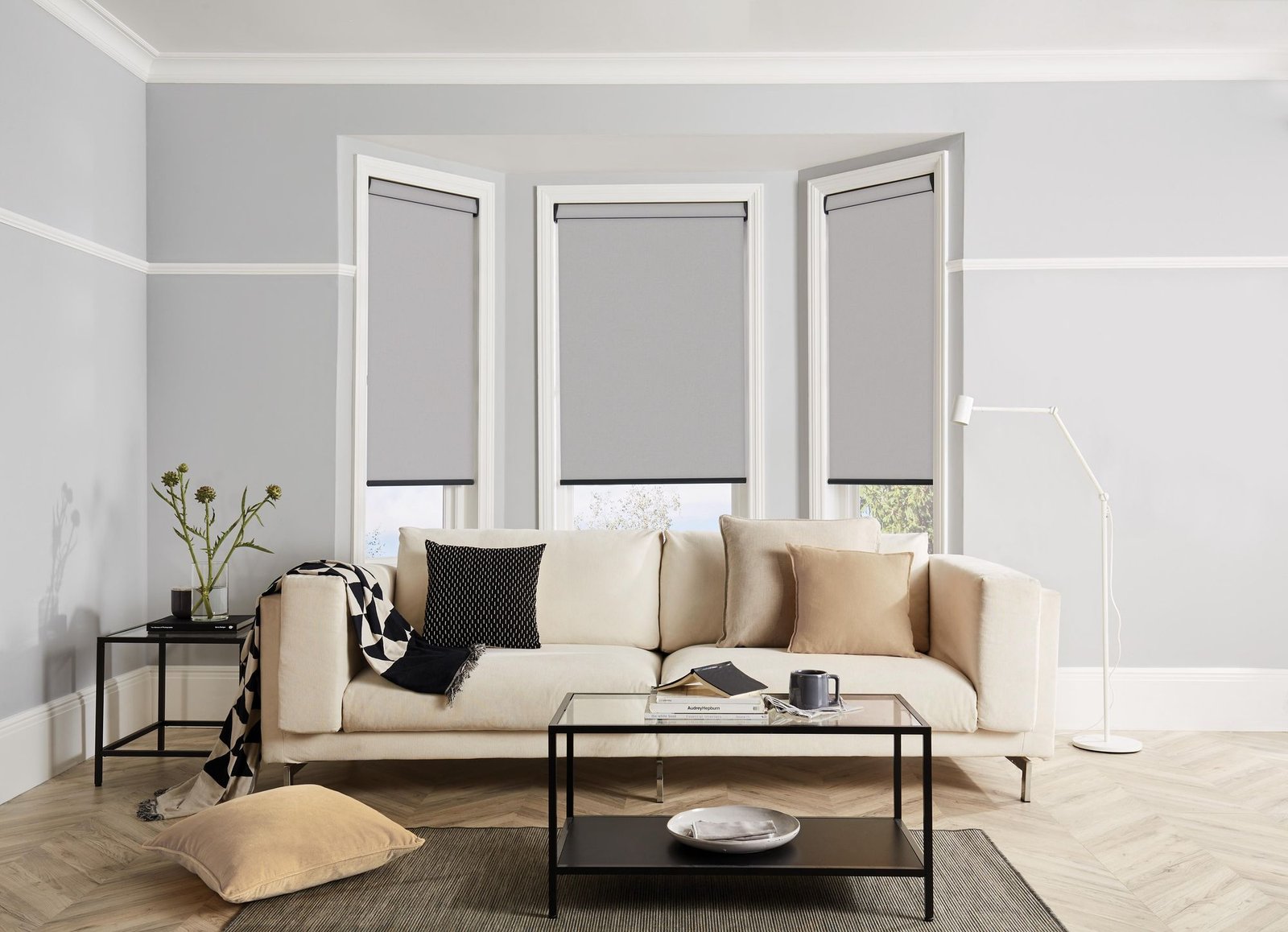
Opens
Rolls up onto a tube at the head of the window
Light
Set by the fabric — lighter weaves filter daylight, denser ones block more of it
Suits
Standard windows, large runs of glazing, homes and offices

How it works
How roller blinds work
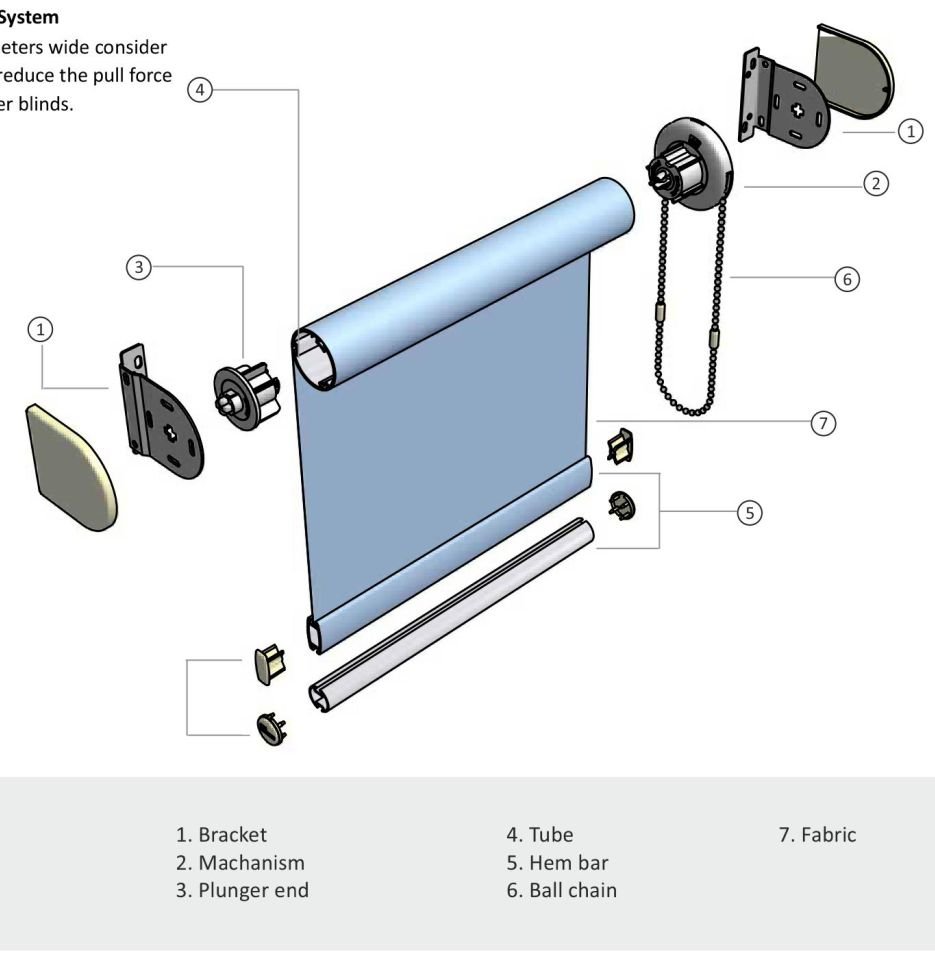
The fabric is fixed to a tube that sits between two brackets at the top of the window. Pull the control and the tube turns, winding the fabric up or letting it unroll under the weight of a hem bar along the bottom edge.
Because the blind is a single flat panel, it gathers into a very small roll when raised, leaving the window almost completely clear. Set side by side, several blinds give a long wall of glazing one consistent line.
Why choose roller blinds
- A slim roll at the head when raised, so the view stays open
- Fits inside a window recess or fixed over it
- A flat, uncluttered surface with no slats or folds to dust
- Fabric weight and weave decide how much light comes through
- Lines up neatly in rows across wide glazing
Where they work well
- Living rooms and bedrooms
- Home offices and studies
- Offices, meeting rooms and reception areas
- Apartments with floor-to-ceiling glazing
Featured system
The Infinity manual roller blind
A chain-operated roller system designed to fit most types of window, and particularly suited to standard-size windows. Everything on this page about the system comes from its technical data sheet.
What the system offers
- Ball chain operation. Raise and lower the blind with a continuous ball chain.
- Optional assisting spring. Reduces the effort needed, helpful for anyone who needs a lighter pull.
- Securing pin in the brackets. Helps keep the blind in place if the chain is pulled with excessive force.
- Minimal light gap. A quick-fit bracket design that keeps the gap between blind and recess small.
- Tested components. Parts and structures tested for reliability and strength over a period of more than one year.
- Steel mounting plate. A back bar mounting plate in stove-enamelled or galvanised steel.
Maximum recommended blind drop (metres)
By fabric weight and blind width.
| Fabric weight | 0.50 m | 1.00 m | 1.50 m | 2.00 m | 2.50 m |
|---|---|---|---|---|---|
| Up to 200 g/m² | 6.00 | 6.00 | 6.00 | 6.00 | 6.00 |
| 200–320 g/m² | 4.75 | 4.75 | 4.75 | 4.75 | 4.75 |
| 320–485 g/m² | 6.00 | 6.00 | 6.00 | 5.00 | 4.00 |
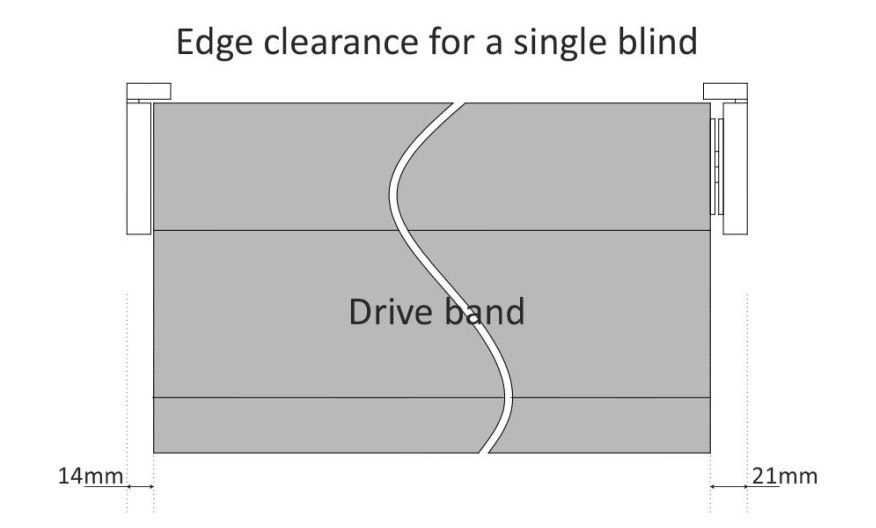
Edge clearance
For a single blind, allow 14 mm at the plain end and 21 mm at the chain side between the fabric edge and the bracket.
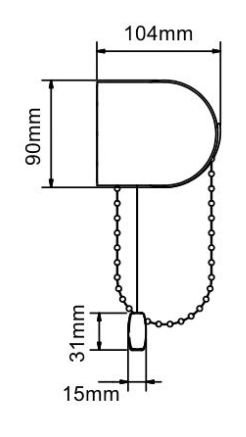
Standard metal bracket
Face-fix bracket measuring 104 mm wide by 90 mm high.
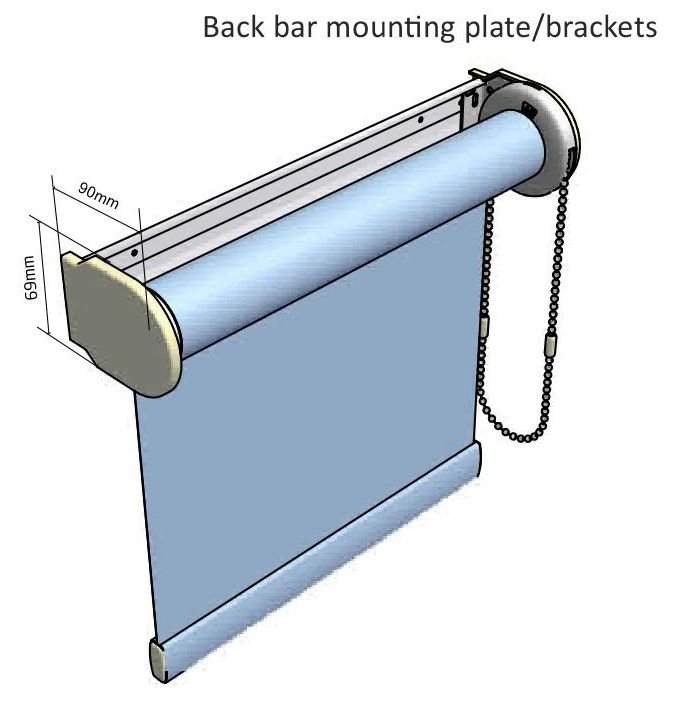
Back bar mounting plate
The blind can be mounted on a back bar plate with brackets, available in stove-enamelled or galvanised steel.
Gallery
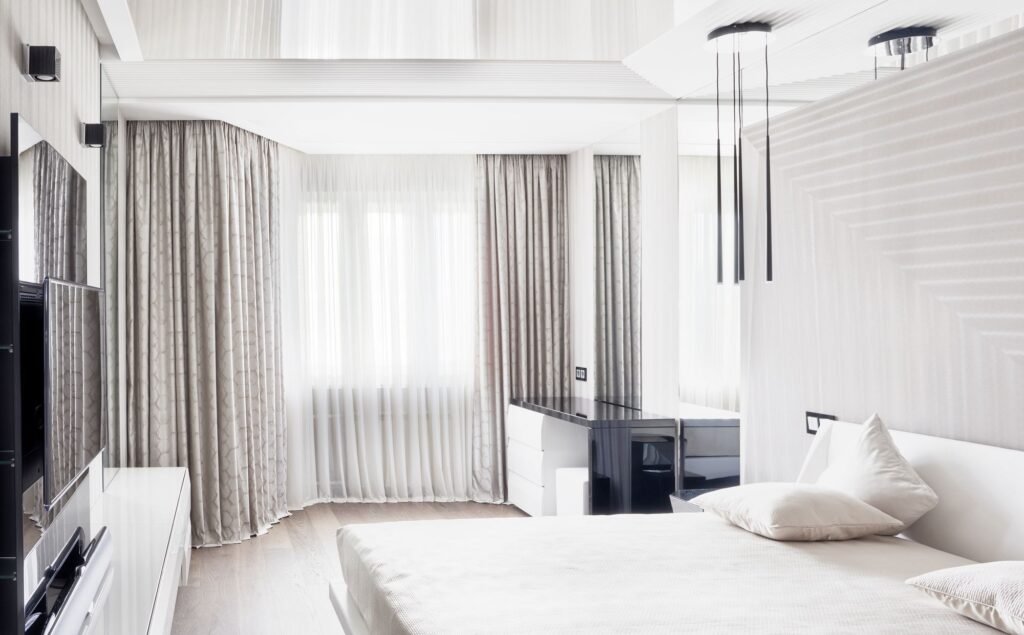
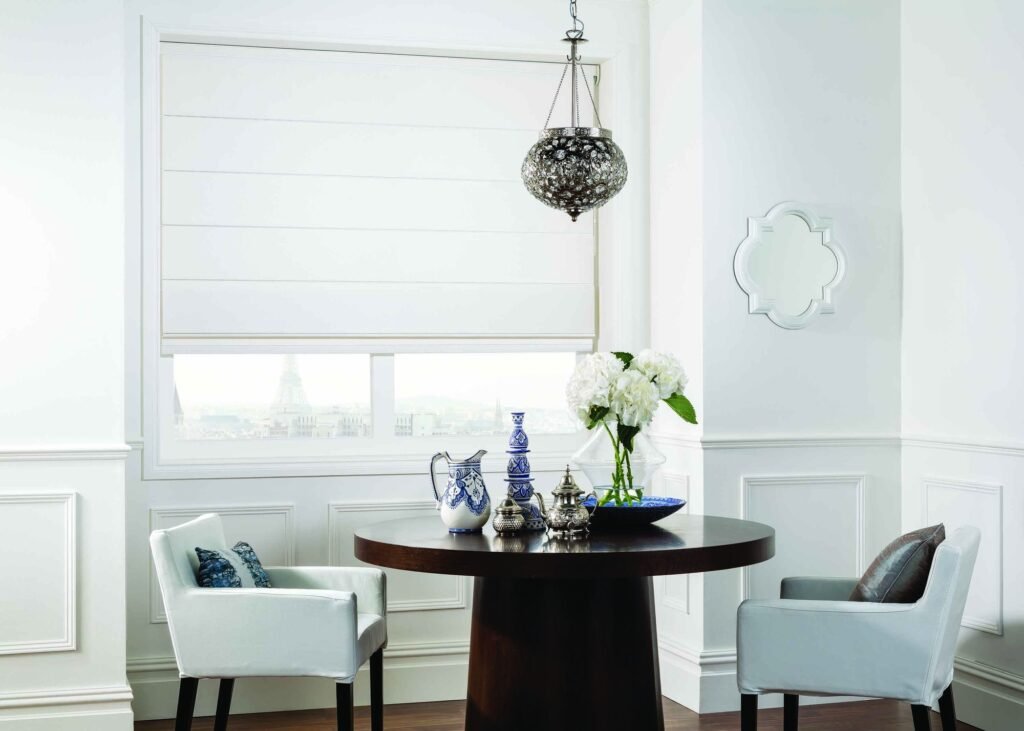
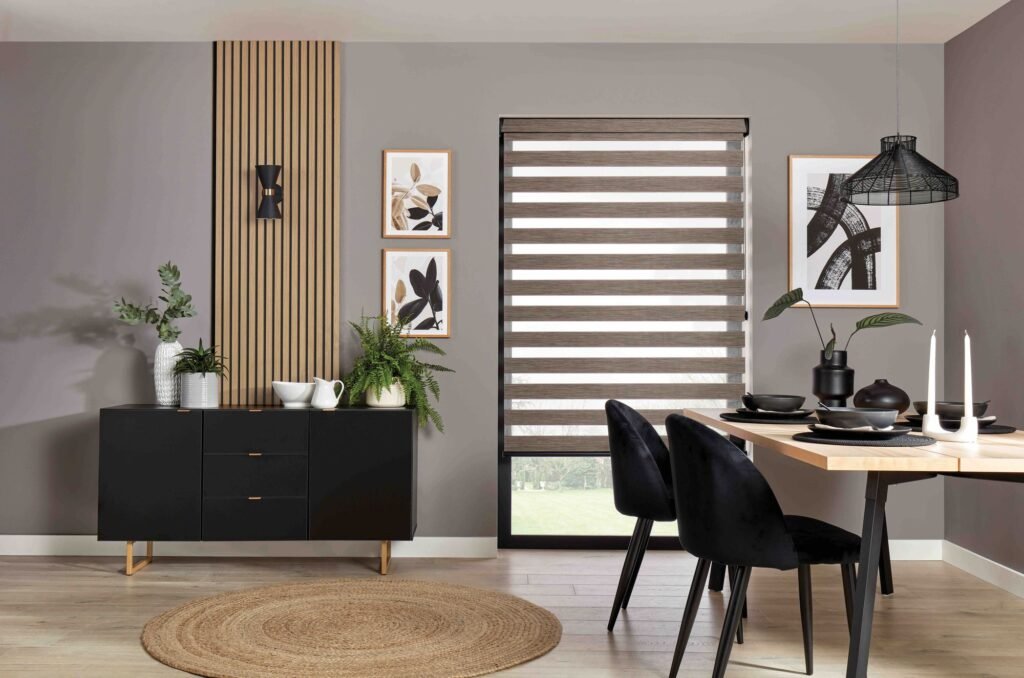
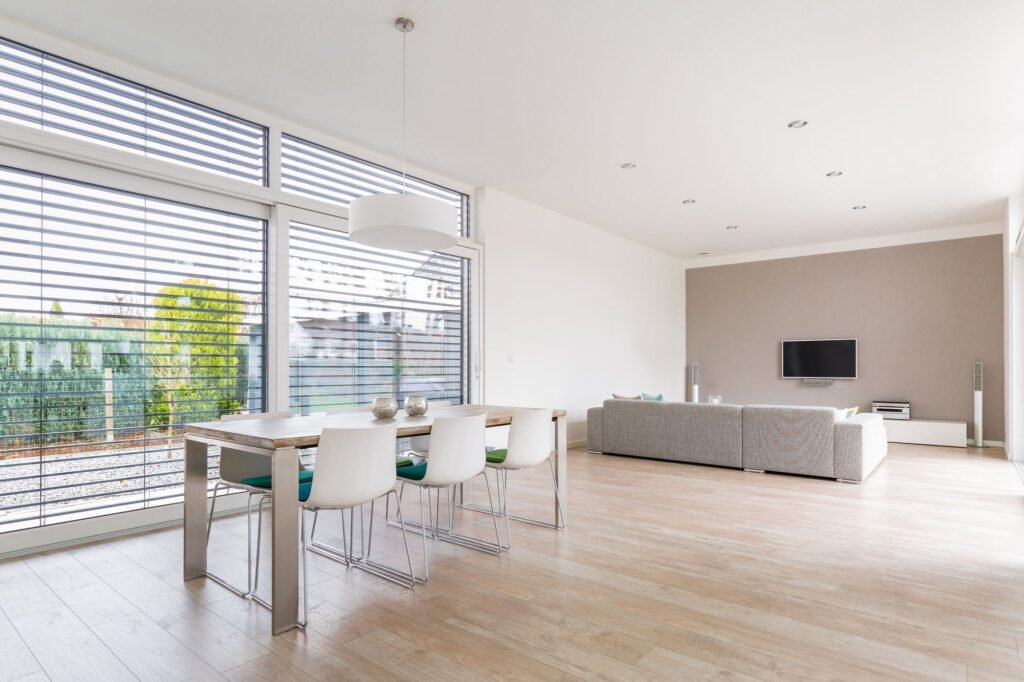
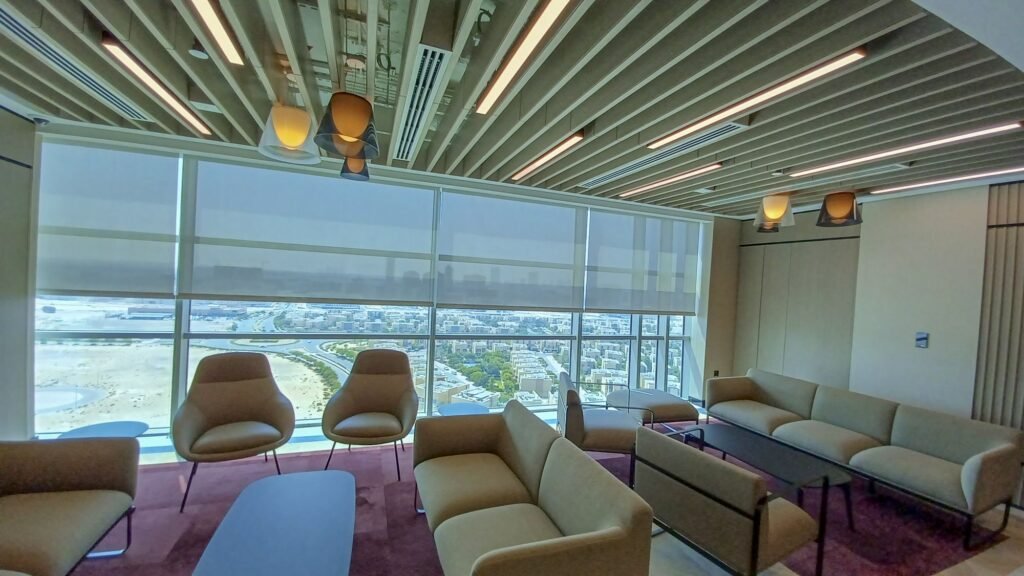
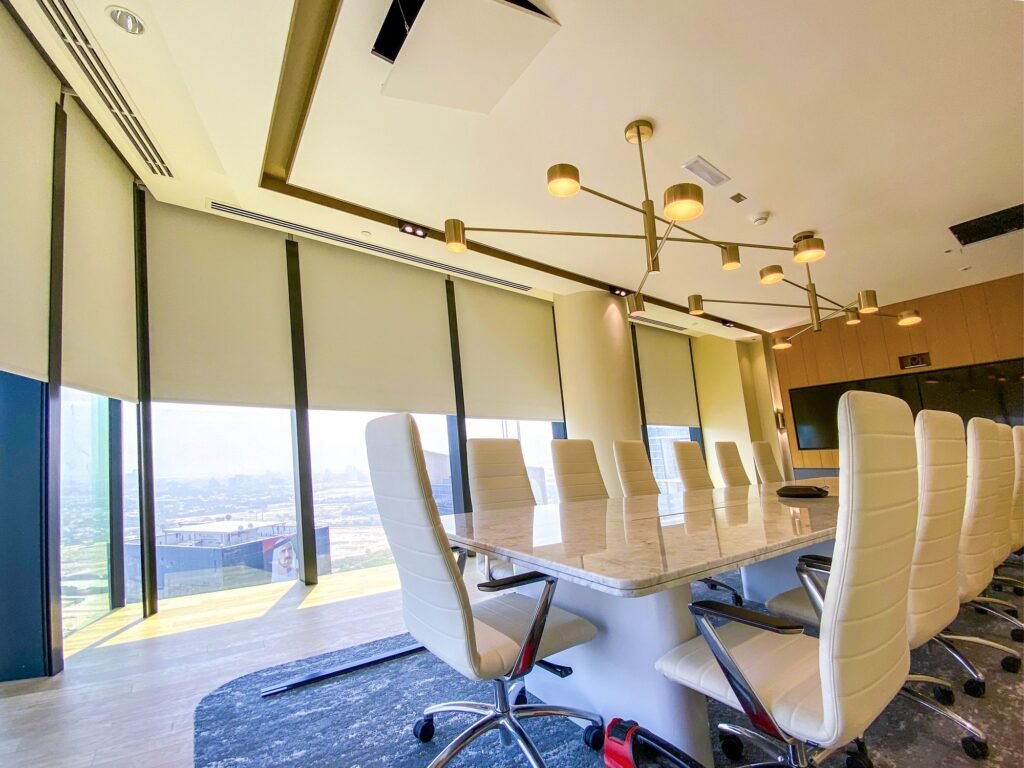
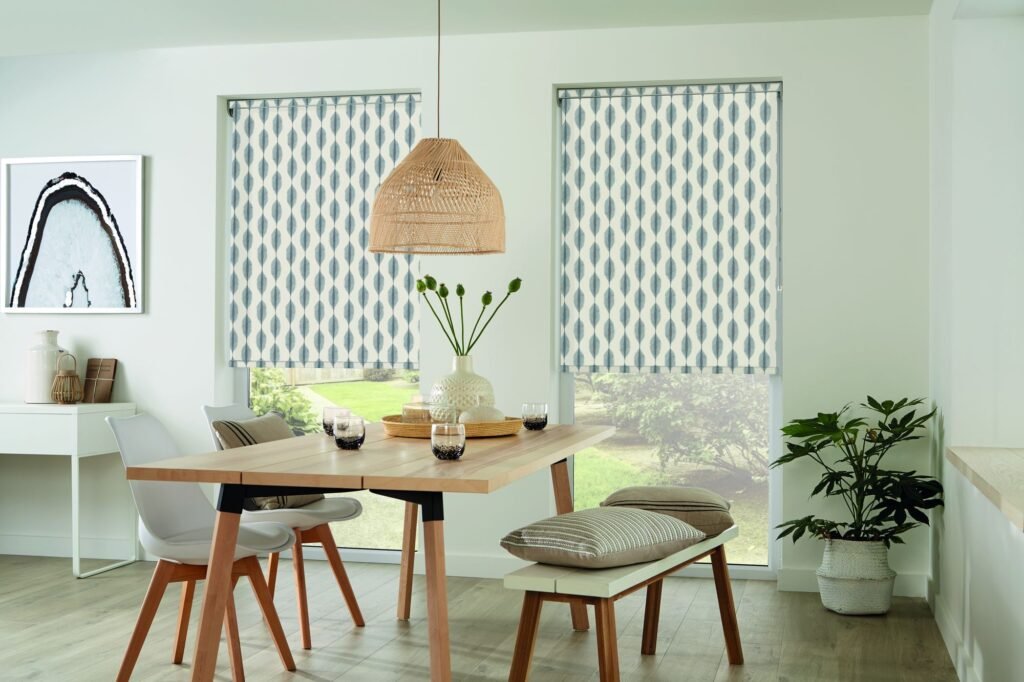
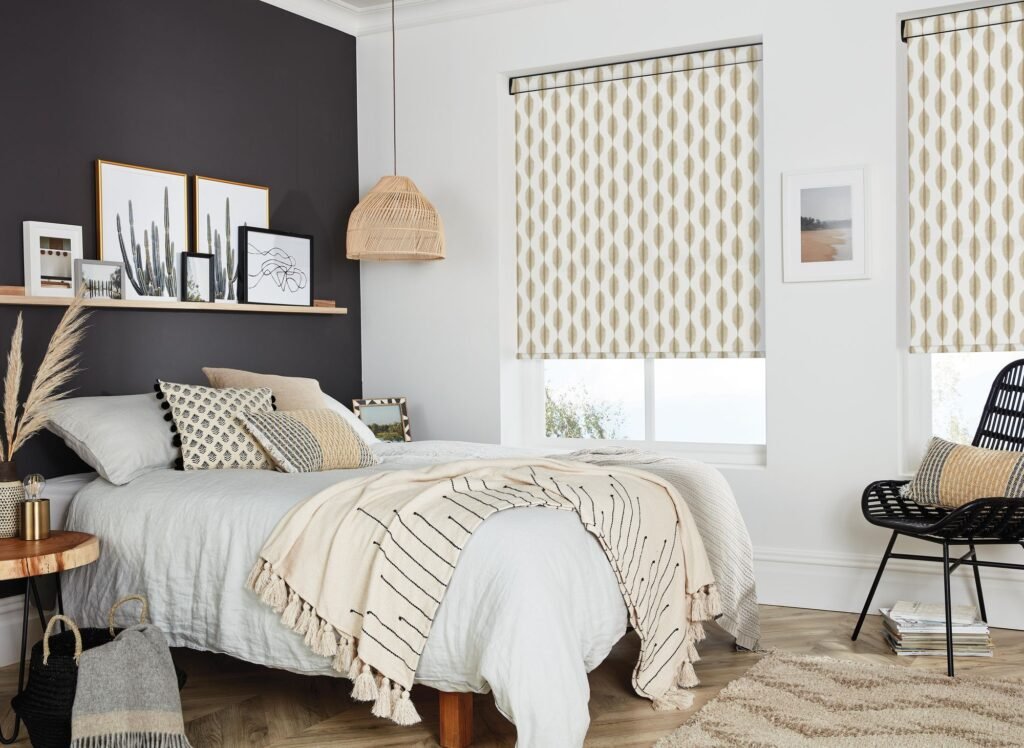
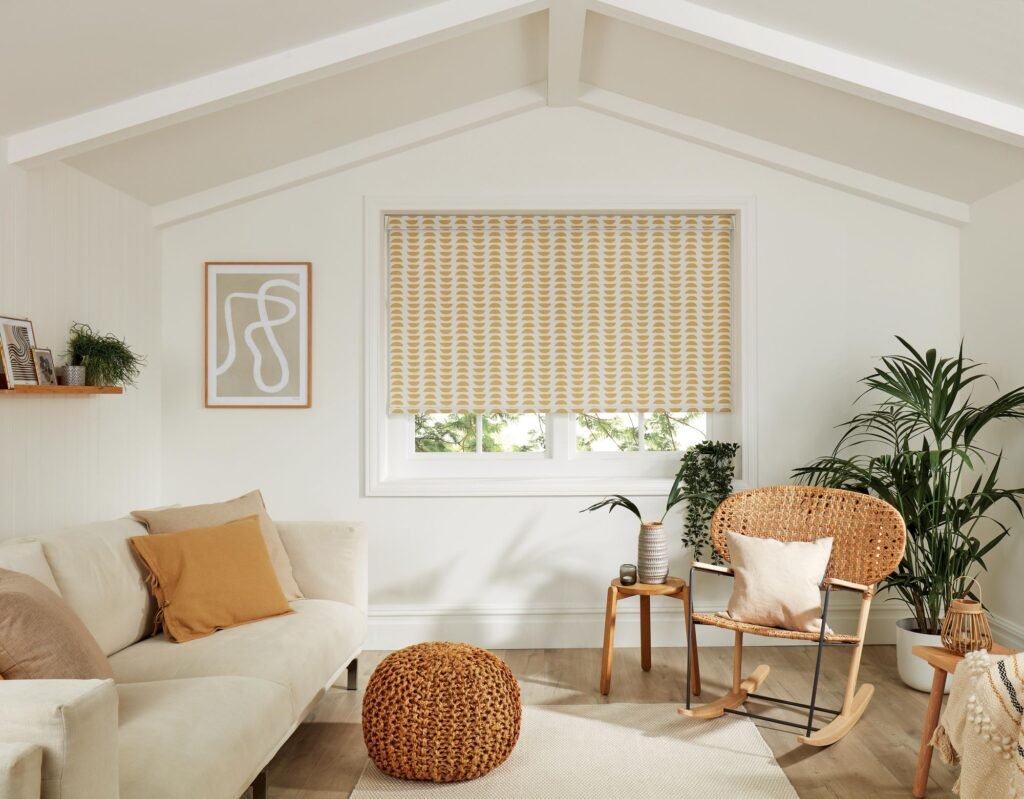
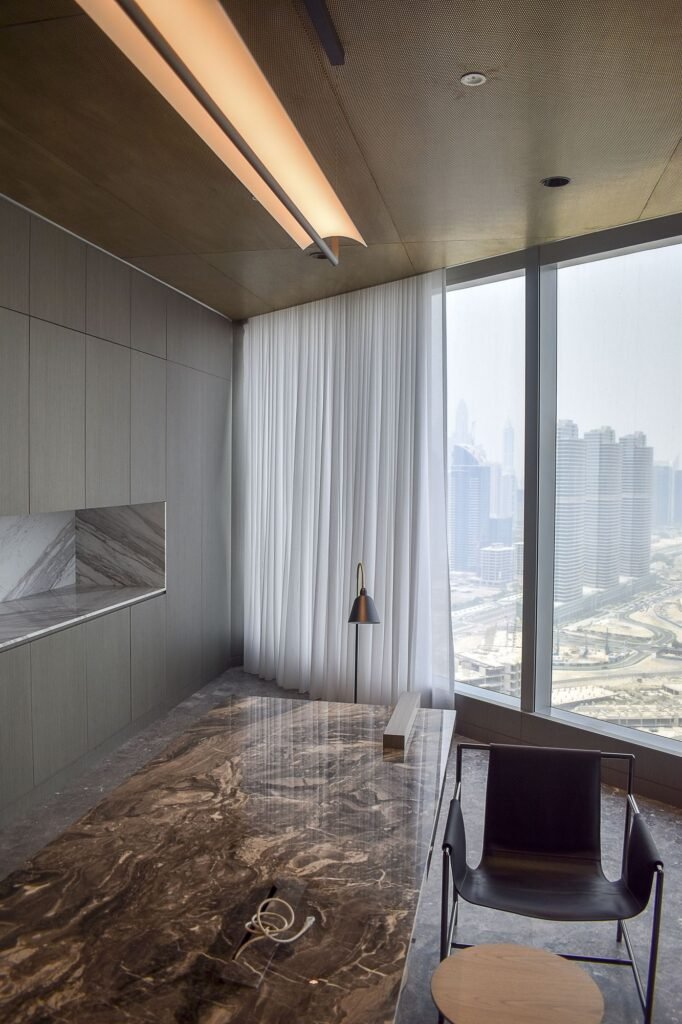
Product imagery to help you picture roller blinds in different rooms. Select an image to enlarge it.
Will a blackout roller blind make the room completely dark?
Blackout fabric stops light passing through the material itself, but some light can still find its way around the edges of the blind. How and where the blind is fitted matters as much as the fabric. If you need a very dark room, mention it in your enquiry so we can consider both together.
Should the blind sit inside the window recess or outside it?
Either can work. Inside the recess gives a neat, built-in look; fixing above and beyond the recess covers more of the frame and can reduce light at the edges. The Infinity bracket is designed to keep the gap between the blind and the recess small.
How large can an Infinity roller blind be?
It depends on the weight of the fabric. The system data sheet gives a maximum recommended drop of up to 6.00 m for blinds from 0.5 m to 2.5 m wide, reducing for some heavier fabric groups at larger widths. The full table is on this page, and we can confirm what suits your window.
Is the Infinity roller easy to operate?
It is raised and lowered with a ball chain. An assisting spring can be fitted to reduce the pulling force needed, which helps with larger blinds and for anyone who prefers a lighter pull.
Are roller blinds a good choice for offices?
They are one of the most common choices for workplaces: a row of roller blinds keeps a façade looking orderly while managing glare on screens. The right fabric depends on the orientation of the glazing and how the space is used.