Opens
Slats tilt, and the blind lifts to the head
Light
Adjustable by slat angle
Suits
Living rooms, studies and bedrooms
How it works
How wooden blinds work
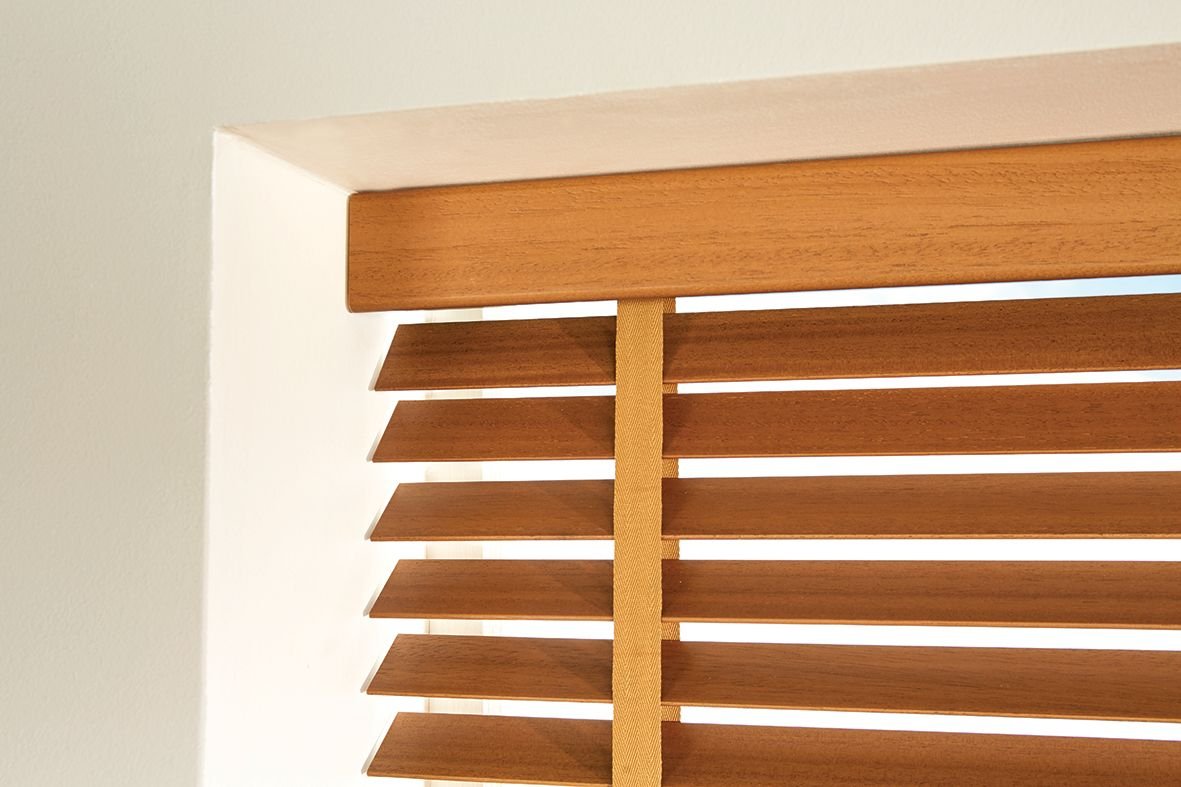
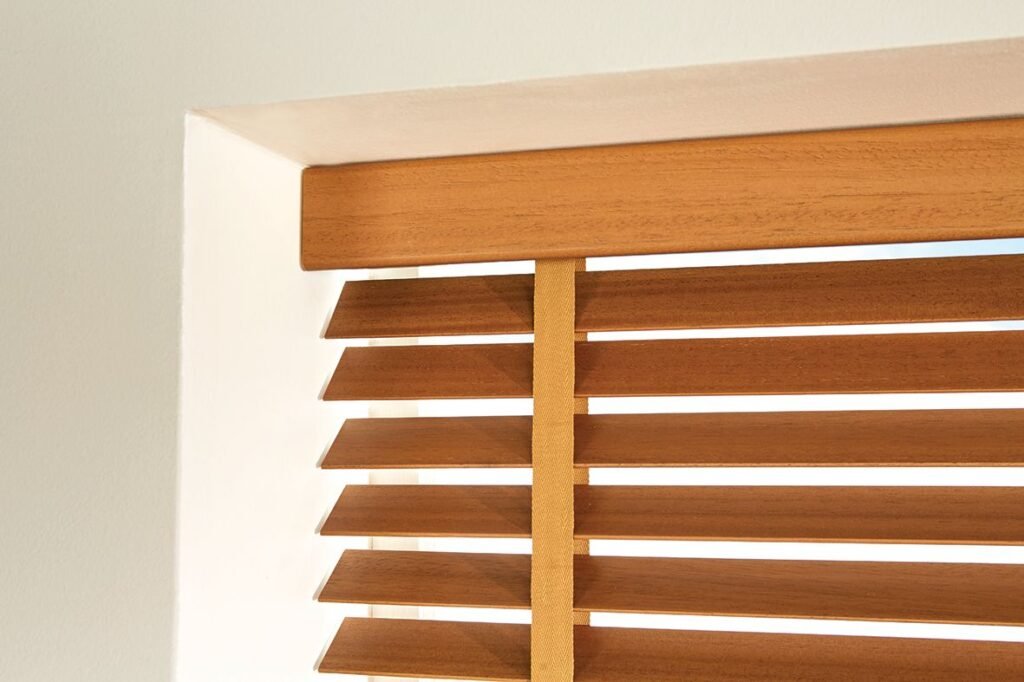
Slats are held on ladder cords or fabric tapes. Tilting turns every slat together to direct light upward, downward or close it off; a separate lift raises the whole stack to the top of the window.
Timber slats are thicker than metal ones, so they give a solid, substantial look and a deeper stack when raised.
Why choose wooden blinds
- Natural grain and texture that warms a room
- Fine control of light by slat angle
- Pairs naturally with timber floors and furniture
- Fabric tapes can be added for a softer, tailored look
Where they work well
- Living rooms
- Studies and home offices
- Bedrooms
- Executive offices and meeting rooms
Gallery
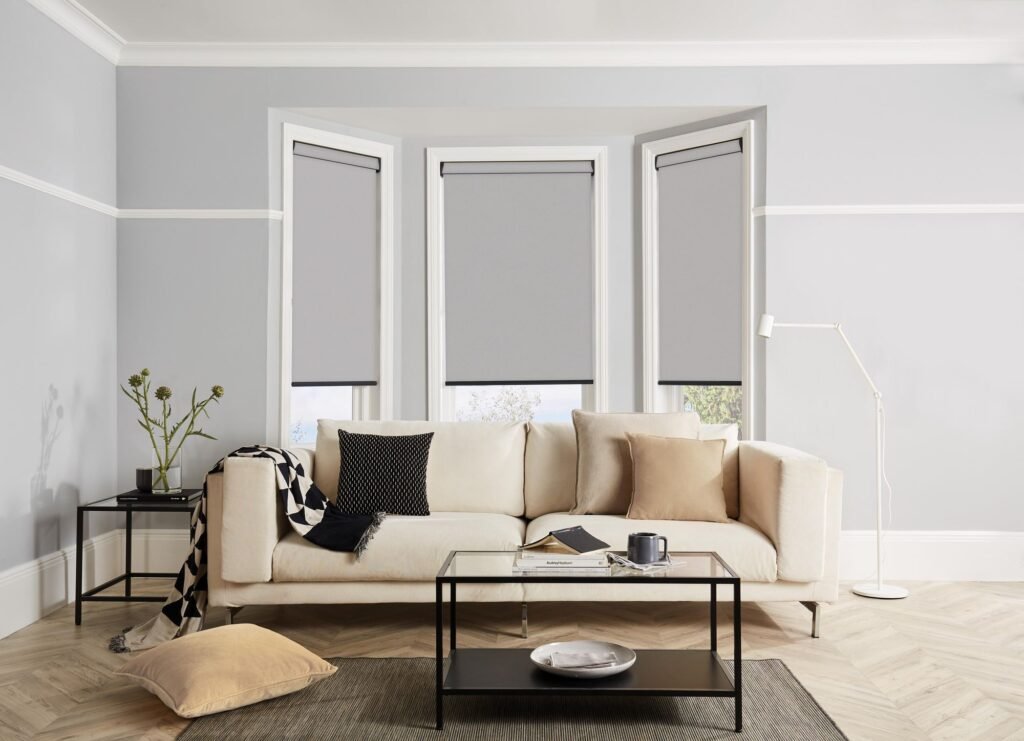
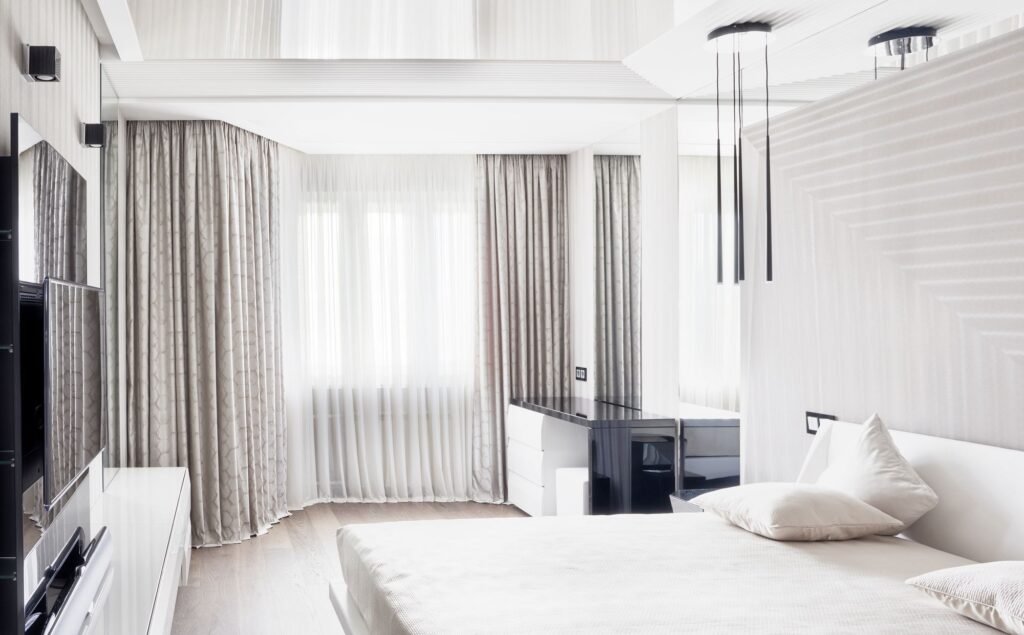
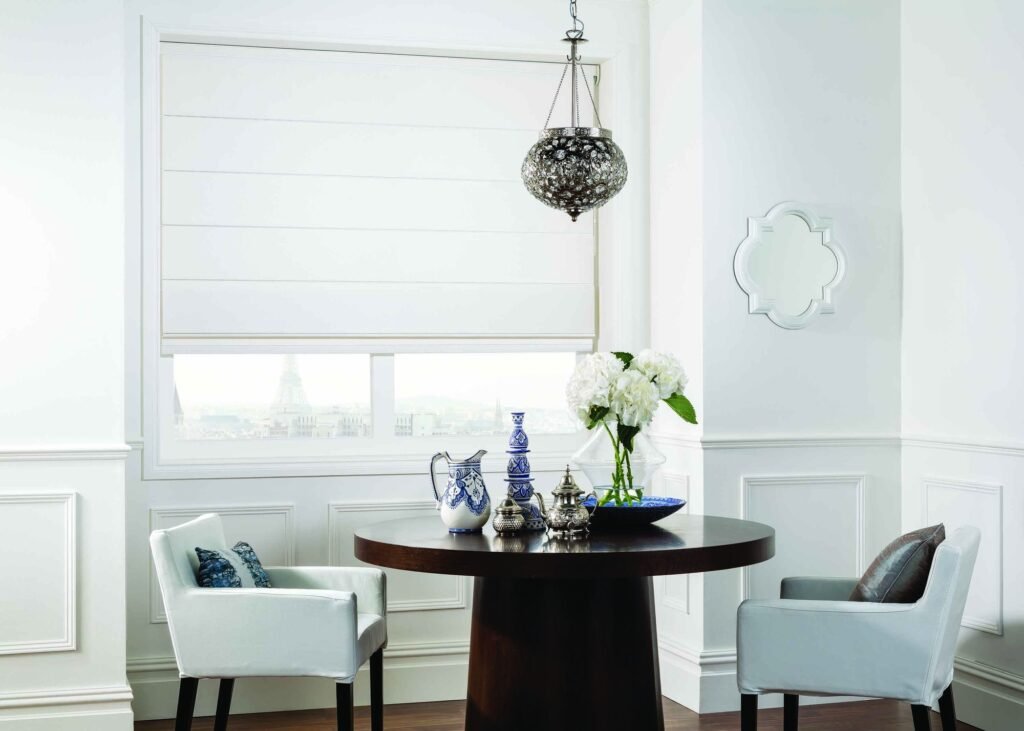
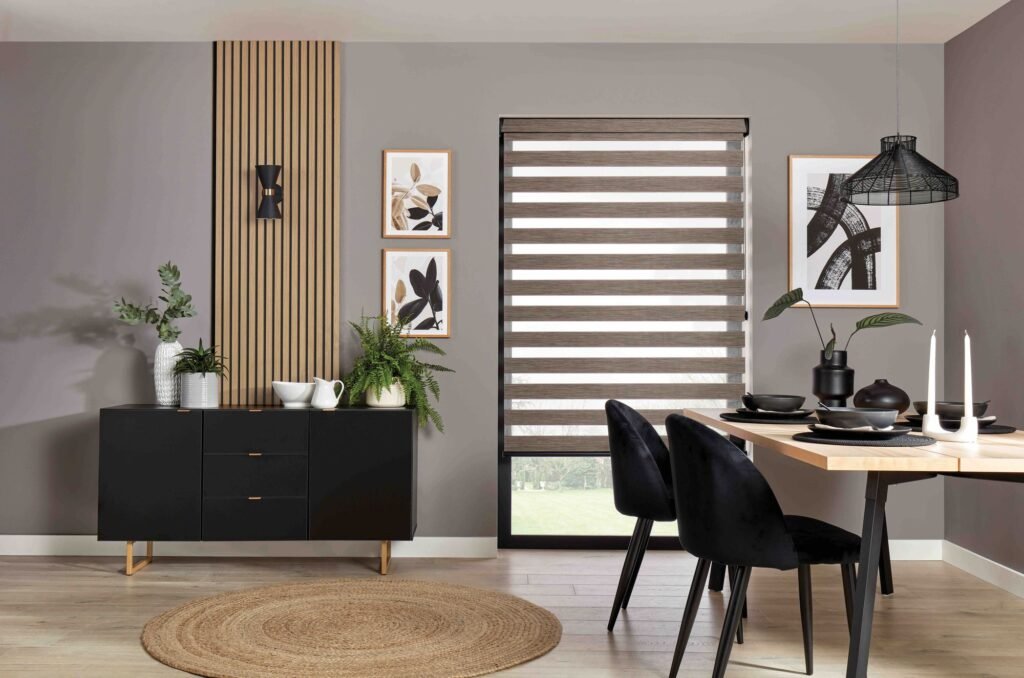
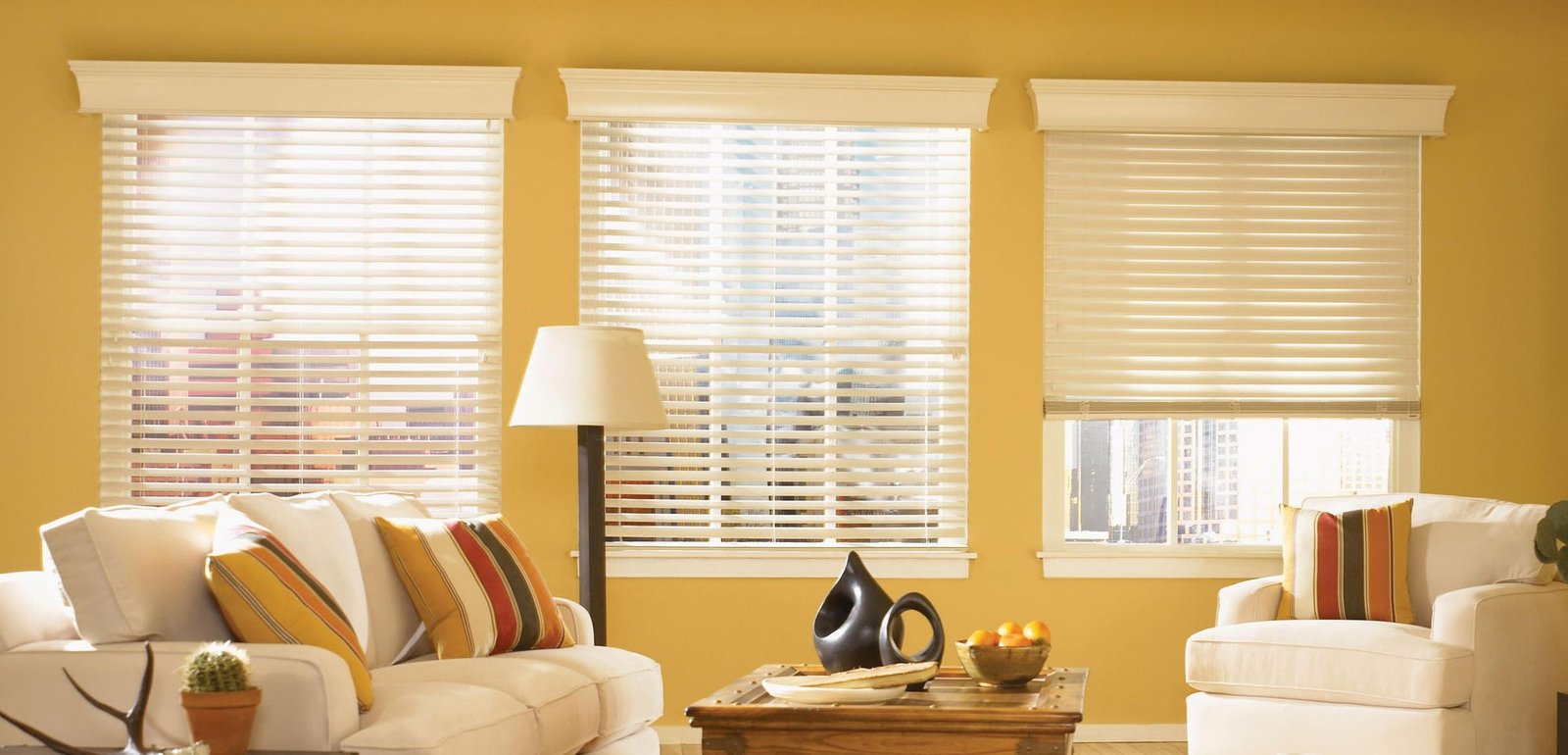
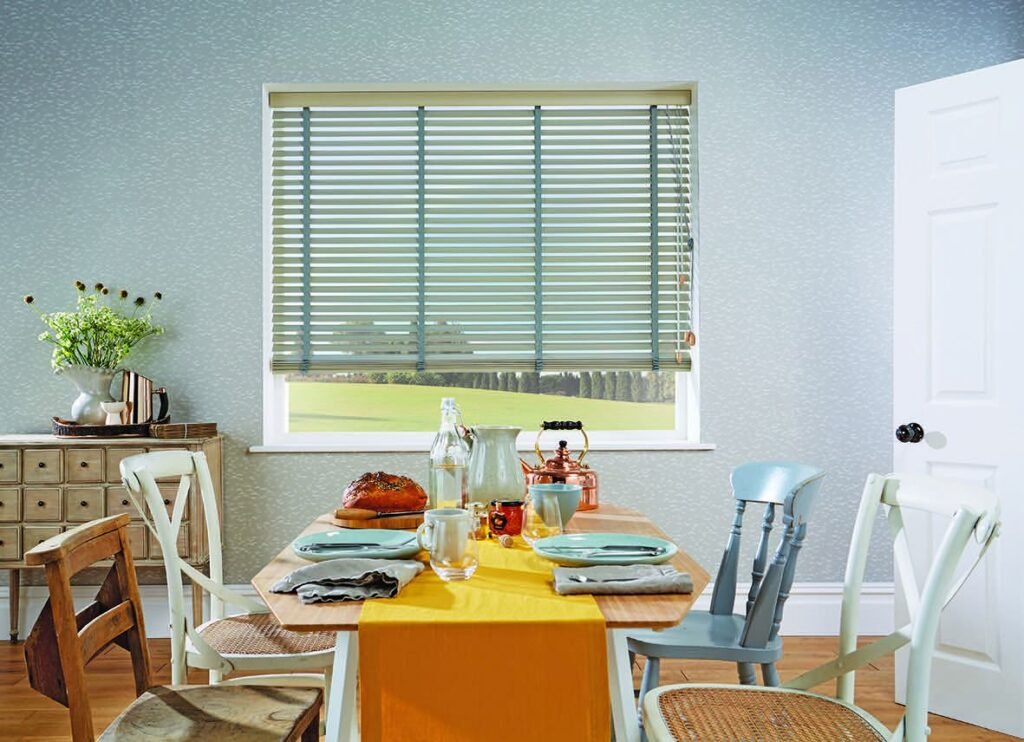
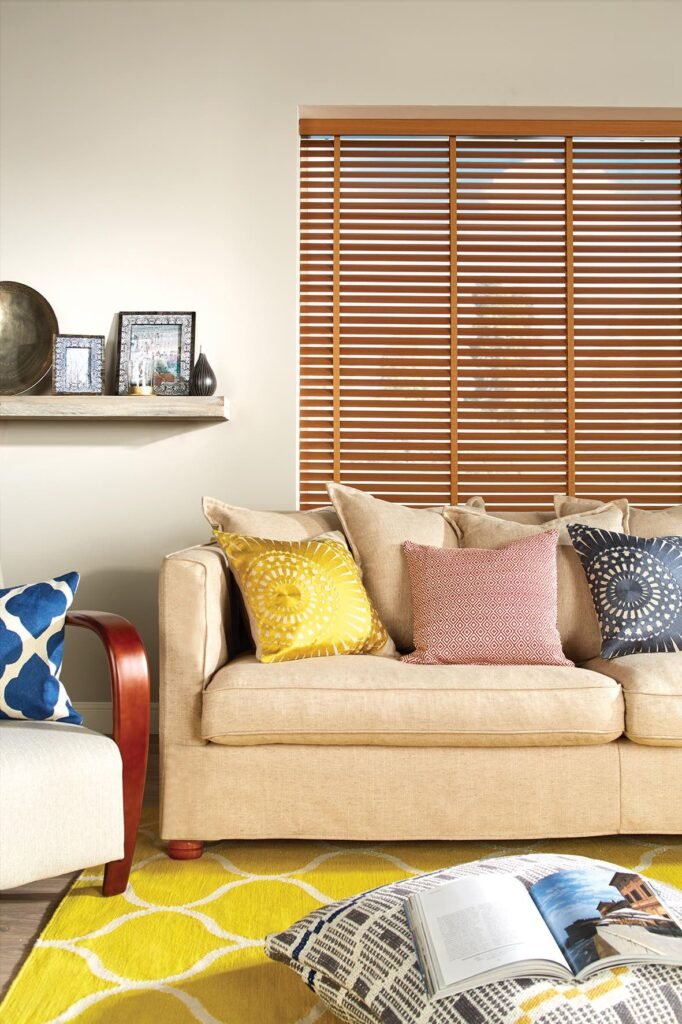
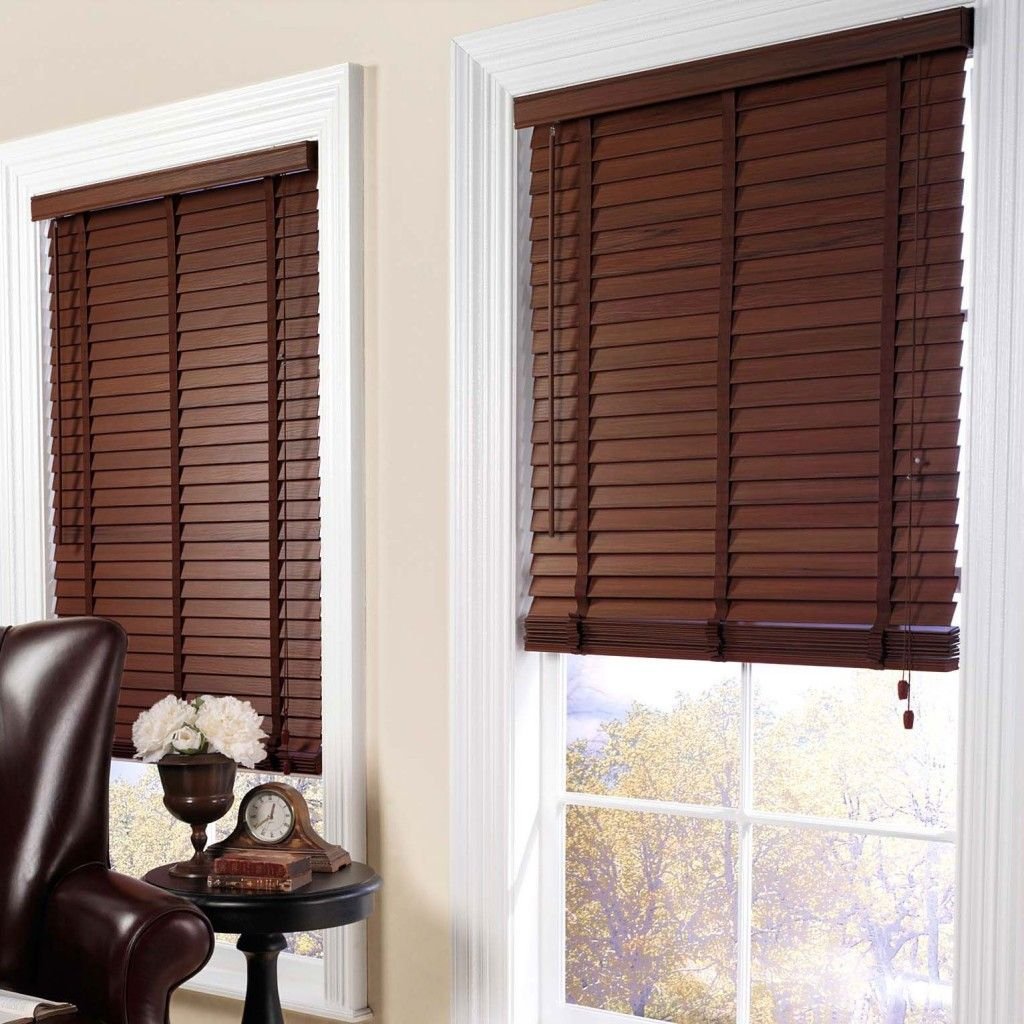
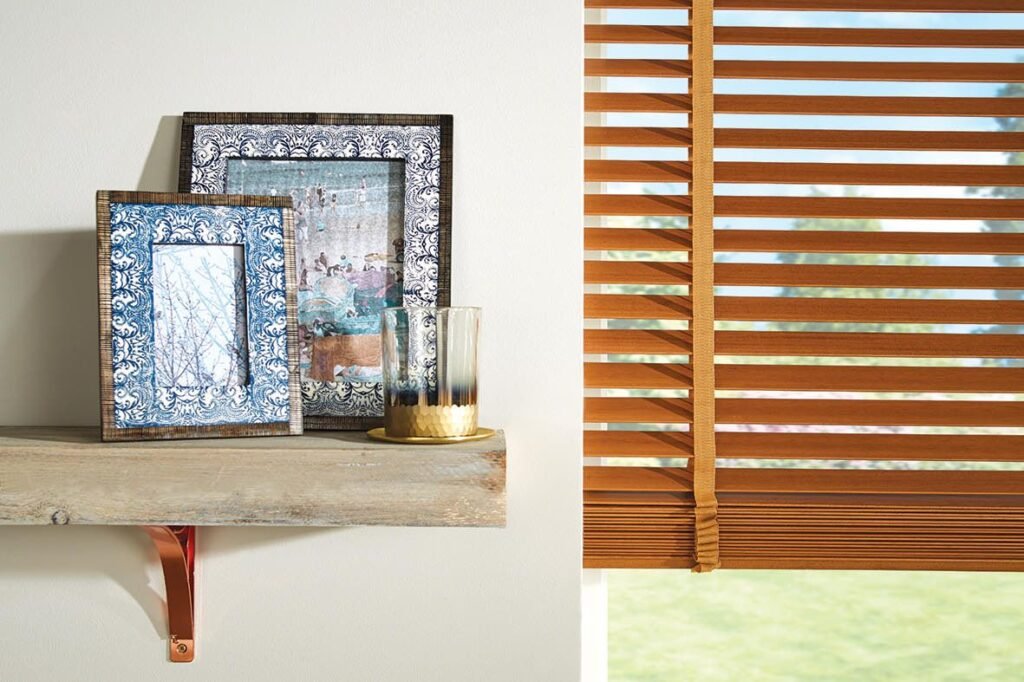
Product imagery to help you picture wooden blinds in different rooms. Select an image to enlarge it.
Are wooden blinds suitable for bathrooms and kitchens?
Real timber can be affected by sustained moisture and steam, so it is best kept to drier rooms. For wet or humid rooms, we’ll suggest alternatives.
What is the difference between wooden and Venetian blinds?
Both use horizontal slats that tilt and lift. Wooden blinds use thicker timber slats with visible grain; Venetian blinds usually have slim metal slats for a lighter, more minimal look.
Do wooden blinds block light completely when closed?
Closed slats block most direct light, but a little can pass between slats and around the edges. For a darker room, consider pairing them with curtains.